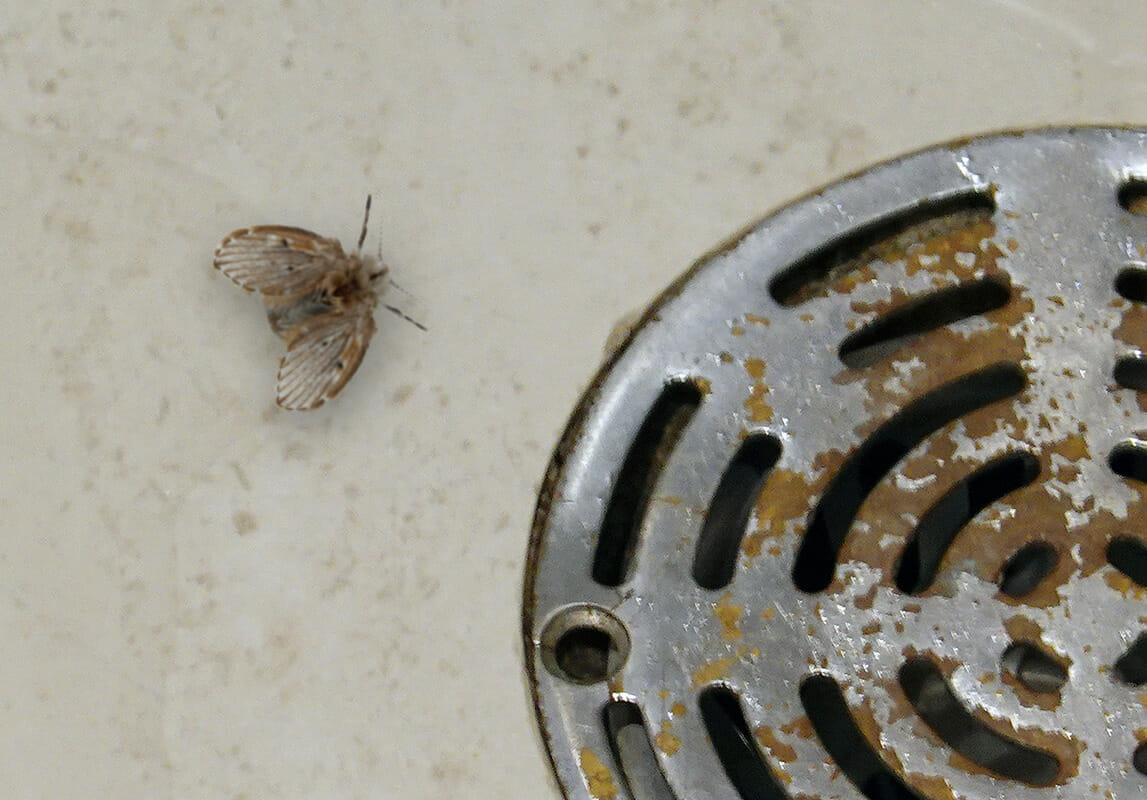
Drain flies aren’t annoying because of their size, but because of their persistence. They hover near the drain, flit around the sink, stick to the walls near the bathtub, and cause immense discomfort simply by being there. Especially considering that you might spend a long time looking for the source of the problem outside, even though it’s hiding inside the drainage system: in the buildup that accumulates on pipe walls over time, in stagnant areas, and in damp organic matter, where the larvae feel right at home.
Of course, you can pour chemicals everywhere. Moreover, there are dozens of tips online claiming that bleach works best: pour it down the drain, wait, and if it gets quieter—it worked.
But in reality, it doesn’t solve the main problem: it doesn’t remove the thick layer of biofilm and doesn’t clean out the environment where the insects continue to breed. That’s why it’s important to understand not only whether bleach kills some of the flies, but also which methods actually help eliminate the source of the problem, rather than just giving it a brief respite.
Why do drain flies appear in the sewer system
Drain flies in the sink don’t appear out of nowhere: first, a layer of slime, soap residue, grease, hair, food particles, or other decomposing matter must accumulate in the system. For adult insects, this is a convenient place to lay eggs, and for larvae, it’s a ready-made food source.
But why do drain flies appear? After all, such buildup can be found in any sink, yet not everyone gets an infestation.
Common causes of drain fly infestations
The problem almost always stems not from a single factor, but from a combination of conditions. In some cases, old buildup in the pipes is enough for the insects; in others, slow drainage exacerbates the issue; and in the kitchen, grease and food scraps quickly play a role.
Organic buildup in pipes
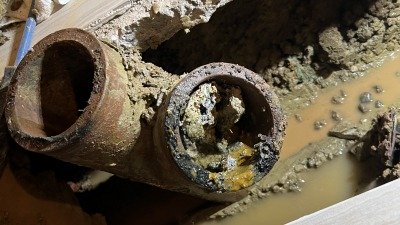
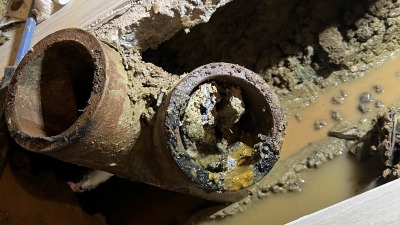
The main “home” for larvae is the biofilm. This is a sticky layer of grease, soap residue, small debris, bacteria, and organic matter that clings to the inner walls of the pipe. As long as it’s there, the flies have a place to breed. Therefore, cleaning the sewer system to get rid of flies should focus not on the adult insects themselves, but on removing this environment.
This is where the question of how to clean sewer pipes not just superficially, but truly thoroughly, becomes important. Simply pouring liquid down from above is often not enough if a thick buildup has already formed inside the drain.
Stagnant water and poor drainage
Flies are attracted to areas where moisture lingers longer than usual. This could be a rarely used drain, a shallow pool of water in the trap, or an area with slow drainage. When drainage is sluggish, organic debris remains inside longer, and conditions for breeding become even more favorable.
That’s why drain flies in the bathroom often appear where the drain is used constantly but rarely cleaned. If there’s a slow-draining sink in the house, it’s no longer just a household inconvenience but a sign of an environment where flies can seriously take hold.
Accumulation of food particles and grease
The situation is different in the kitchen. Grease, small food scraps, and sticky residue gradually settle in the drain without any obvious symptoms until an odor or small flies appear near the sink. Therefore, kitchen flies in the sink drain are often not linked to a single “dirty day” but to a cumulative effect.
Here, preventive drain care tips are especially important: don’t pour grease down the drain, don’t leave food scraps behind, and don’t wait until preventive maintenance turns into a full-scale drain cleaning.
Signs that you have a problem with drain flies
You can usually tell that this isn’t just a random pair of insects by where they appear and how often they show up. If small flies keep gathering near the same drain, or are sitting on the wall next to the sink, bathtub, or shower, this is likely a sewer fly infestation rather than just random visitors.
Another sign is activity at specific times and around a specific spot. Drain flies in the house often hover specifically around drains, rather than near windows or fruit, like other small insects.
Sometimes a simple test helps: partially cover the drain with clear tape overnight. If there are flies on it in the morning, the source is indeed there. And you can also spot larvae inside the pipe itself, but more often than not, homeowners first see the adult flies and only later realize that the problem runs deeper.
Does bleach kill drain flies?
Can bleach kill drain flies? Yes, but only partially: upon direct contact, it can damage some of the larvae, remove some of the bacteria, and temporarily reduce insect activity near the drain. That’s why, after treatment, it sometimes seems like the problem is gone.
But bleach works too superficially against drain flies when there’s already a thick organic buildup inside the pipe. It flows through the drain quickly, does not remove the biofilm completely, and does not guarantee that the eggs and larvae hidden in deeper layers of slime are actually destroyed.
Therefore, the temporary lull after such treatment often ends with the flies reappearing a few days later.
Why bleach alone is not enough
Bleach has too little “adhesion” for this task. It does not mechanically clean the pipe walls and does not remove the substrate in which the colony develops. Larvae can survive where the liquid passed too quickly or did not reach the necessary area at all. As a result, the problem does not disappear but is merely postponed for a while.
The practical approach here revolves around a single goal: eliminating the environment where the insects live and breed. If the drain is clean, the very cause of the flies’ recurrence disappears.
Methods for Deep Drain Cleaning
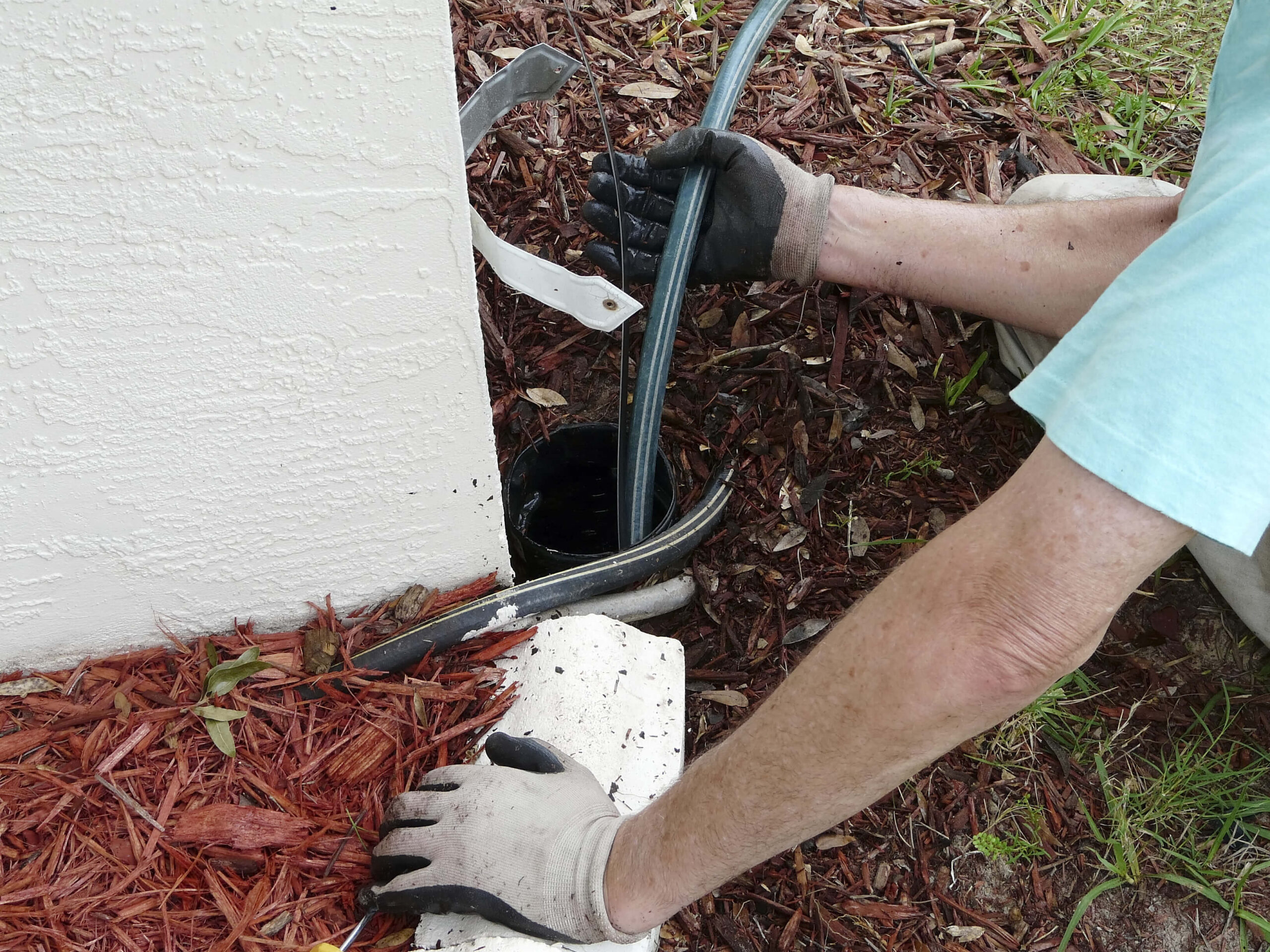
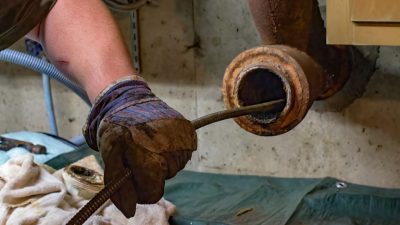
The most reliable method is to clean the sewer system of flies, focusing specifically on the inner walls of the pipes. Mechanical cleaning, biofilm removal, and enzymatic solutions—which target organic residues rather than simply flowing down the drain—are effective here.
When it comes down to it, the answer to getting rid of drain flies usually isn’t a single solution, but a combination of deep cleaning and follow-up treatment to eliminate not only the adult flies but also the environment where the larvae thrive.
Natural and DIY solutions
Folk remedies can also be helpful if the problem hasn’t yet become deeply entrenched. Home remedies for drain flies usually include boiling water, baking soda mixed with vinegar, and enzymatic cleaners. It’s not magic, but as a gentle preventive measure or early intervention, they can work.
That said, the question of how to get rid of drain flies naturally should be approached without illusions: such solutions help in the early stages or as a follow-up after a major cleaning, but they don’t always handle thick, old buildup inside the pipe.
Professional Drain Cleaning
When the flies return, the odor persists, and the drain flows slowly, neither “DIY” cleaning nor home remedies will produce the desired result. In such a situation, professional drain cleaning will eliminate the source of the problem, which is often deeper than it appears from the outside.
Standard sewer maintenance tips are good for prevention, but when the system is already contaminated, they are often insufficient. In that case, an inspection and cleaning are needed to eliminate the cause, rather than just providing a couple of quiet days.
What to Avoid When Dealing with Sewer Flies
The main mistake is trying to drown the problem in chemicals and thinking that’s the end of it. Harsh chemicals may provide a quick visual fix, but they won’t remove the thick layer of organic matter where the source of the problem lies. As a result, the insects disappear for a while, only to return to the same spot as if nothing had happened.
The same goes for random experiments along the lines of “I’ll try everything at once.” Not all methods for unclogging a bathroom drain are equally safe for pipes, especially if the system is old or already has weak spots.
And when there are also stubborn clogs inside the drain, harsh chemicals may not solve the problem but create a new one: an unpleasant odor, damage to connections, or accelerated wear on certain sections. It’s better to address the root cause here rather than turn the drain into a chemical lottery.
When to call a professional plumber
If the flies return after you’ve cleaned it yourself, the odor at the drain persists, and the water drains slowly, this is no longer a matter of “just a quick clean.” In this case, you’ll need a plumber’s help for a sewer blockage. After all, the source of the problem is likely deeper than the standard trap and is held in place by old biofilm inside the system.
The same applies to recurring issues where things seem to improve on the surface, only for the problem to start all over again a few days later. In such a situation, professional drain cleaning is necessary not just for speed. It allows you to locate hidden areas of blockage, remove dense buildup, and determine why the drain continues to create conditions for gnats to breed.
How Pryde Group Can Help with Drain Problems
When flies keep coming back despite dozens of attempts, the problem runs deeper. In such a situation, you don’t need just another random fix—you need a comprehensive approach across the entire system:
- Inspection of sewer pipes to locate hidden areas where sticky buildup has accumulated.
- Safe cleaning that removes organic deposits, rather than just temporarily suppressing fly activity.
- Prevention of recurrence, so the problem doesn’t return in a few days or weeks.
Pryde Group’s expert plumbers, who address the root cause rather than just the surface symptoms, help eliminate not just the symptoms but the underlying cause of the problem, so you can forget about those pesky neighbors from the drain, if not forever, then for a very long time!