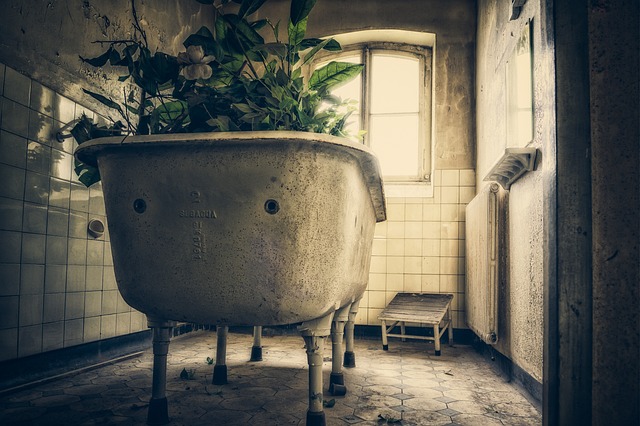
A bathtub can look perfectly functional for decades, even though its condition already requires attention. The finish wears thin, small chips turn into cracks, joints start to leak, and the bottom loses its stability. Some of these defects can be repaired, but with each new repair, the point at which maintaining the old tub becomes more expensive and riskier than replacing it draws ever closer.
Replacing it helps prevent leaks, floor damage, and mold growth, while also making the bathroom more comfortable and safer. A new model may be a better fit and significantly refresh the interior, which also enhances the home’s appeal.
But it’s not a cheap purchase, so let’s figure out how long bathtubs made of different materials typically last, what signs indicate serious wear and tear, and how to tell when a repair is still justified and when it’s time to plan for removal and installation of a new bathtub.
How long does a bathtub typically last?
There’s no exact expiration date for a bathtub: one might remain in good condition for decades, while another may need replacing much sooner. On average, fiberglass models last about 10–15 years, acrylic ones 15–20 years, and steel ones 20–30 years. A cast-iron bathtub can last 50 years or longer, although its enamel may need to be restored sooner. Therefore, it’s impossible to give a definitive answer to the question of how long a bathtub lasts.
A bathtub’s lifespan is also affected by proper installation, the load on the bottom and sides, water quality, and the cleaning products used. Abrasive powders, harsh chemicals, and constant moisture damage the surface more quickly. The condition of the plumbing is also important: leaks near the drain or overflow can damage the base and walls long before the tub itself loses its appearance.
Signs That It’s Time to Replace Your Bathtub
When deciding whether to replace your bathtub, it’s important to evaluate not just a single defect, but a combination of factors: the condition of the finish, the plumbing fixtures, the base, and the area around the tub. And age alone isn’t necessarily a reason to start dismantling it. What matters much more is how well the tub holds water, remains stable, and can be properly maintained.
Sometimes, spot repairs can indeed extend the bathtub’s lifespan. But if the damage keeps recurring, water leaks under the tub, and the surface becomes increasingly difficult to keep clean, these are signs that you need a new bathtub.
Cracks, Chips, and Surface Damage
A small chip in the enamel often looks like a cosmetic defect. However, exposed metal begins to rust, and a crack in acrylic or fiberglass can gradually widen under the weight of water and a person. Repairing a cracked bathtub is justified when the damage is superficial, isn’t spreading, and doesn’t affect the base of the tub.
Deep cracks are dangerous because water seeps through them into the floor, walls, and wooden structures. Hidden moisture creates conditions for mold and, over time, weakens the base. In such a situation, replacing the damaged bathtub is a more reliable solution than yet another repair, especially if the defect has already been repaired before.
Stubborn Stains and Discoloration
Some stains remain on the surface due to limescale or rusty water and can be removed with a suitable cleaning agent. However, old stains in the bathtub can penetrate the worn-out coating so deeply that they only become slightly lighter after cleaning.
Roughness, numerous scuffs, and discolored areas indicate that the protective layer has been damaged. A bathtub in this condition gets dirty more quickly, is harder to clean, and may remain unhygienic even after thorough cleaning.
Frequent leaks or plumbing issues
A single leak near the drain doesn’t necessarily mean you need to replace the entire tub. Sometimes it’s enough to install a new gasket or repair the connection. But regularly replacing the plumbing fixtures in the tub is pointless if the parts keep coming loose due to a warped opening, a loose base, or a damaged surface.
A leaking bathtub that constantly causes moisture buildup underneath requires special attention. The source may be in the drain assembly, a crack, or the connection to the overflow. Until the cause is identified, using the bathtub is risky: water can cause unnoticed damage to finishes and floor structures.
Outdated Style or Poor Functionality
People replace perfectly functional bathtubs even without any emergency damage. A tub with sides that are too high may be uncomfortable for an elderly person, a narrow tub may not suit a family, and an outdated layout may prevent the installation of grab bars or the creation of more space. In such cases, modernizing the bathtub becomes part of a general room remodel.
A well-planned bathroom renovation allows you to choose a more comfortable depth, a non-slip bottom, a suitable drain location, and a shape that better fits the space. Here, replacement not only addresses the issue of appearance but also makes daily use safer.
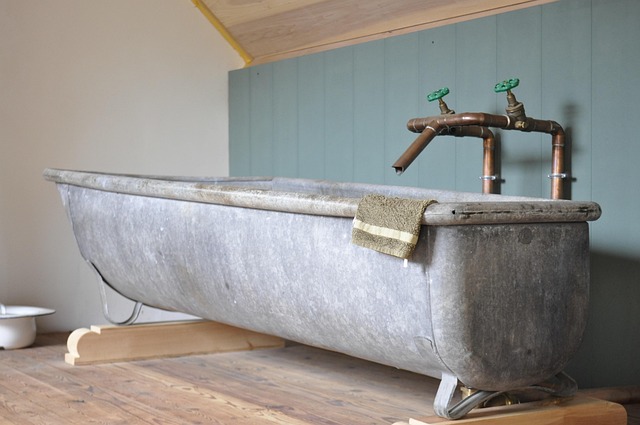
Repair or Replacement? How to Decide?
A localized defect doesn’t necessarily render the entire bathtub unusable. A small chip, a worn-out seal, or a dulled finish can be restored as long as the tub itself remains sturdy, isn’t warped, and doesn’t leak. In such cases, repairing the bathtub is more cost-effective than replacing it and allows you to postpone major renovations.
But persistent leaks, deep cracks, a loose bottom, and recurring damage change the equation. Each new repair costs money, and the results last for shorter and shorter periods. In that case, the cost of replacing the bathtub should be compared not to a single repair, but to the total cost of future repairs, possible floor restoration, and the risk of hidden moisture. If the defects affect the structure or plumbing, a new bathtub is usually a wiser investment.
What to Consider Before Replacing a Bathtub
Buying a new bathtub based solely on a photo is risky. It might not fit through the doorway, may not align with the drain, or could be too heavy for the floor. Therefore, before placing an order, you need to understand exactly what is being replaced: just the tub itself, or the tub along with the pipes, finishes, base, and part of the layout.
Choosing the Right Material for Your Bathtub
Every material has its own trade-offs. Acrylic models are easy to bring into the house, they retain heat longer, and come in a variety of shapes. However, a thin tub requires a sturdy support, and the surface doesn’t hold up well against stiff brushes or abrasives.
Fiberglass is cheaper, but it loses its shine more quickly and gets scratched easily. Steel is stronger, but the water cools down faster in it, and the water flow makes a louder sound. Cast iron retains heat for a long time and remains stable for decades, but its weight makes delivery and installation more difficult.
Therefore, the best material for a bathtub cannot be chosen in isolation from the home and the family’s habits. For some, a lightweight tub is important; for others, quiet operation, stability, and a long service life are key. When comparing bathtub types, you need to consider not only the price but also the weight, maintenance, and installation requirements.
Bathroom Dimensions and Layout
The new model should fit into the space without having to adjust every wall. The length and width of the niche, the height of the rim, the position of the drain, and the distance to the faucet are all important factors. It’s also worth checking whether there will be enough space to access the trap after installation.
If the new tub matches the dimensions of the old one, installation is usually easier. However, a change in shape may require relocating pipes, re-tiling, and installing a new screen. In this case, renovating a bathroom with a bathtub can no longer be considered a simple replacement of a single item.
You’ll also need to check the path from the front door to the installation site. A large cast-iron model may fit in the bathroom but might not fit through the staircase or a narrow hallway.
Budget and Installation Costs
The price of the tub is just the first expense. Added to this are removal, hauling away the old tub, new drain fittings, sealant, fasteners, and restoring the finishes. If moisture or a damaged subfloor is discovered under the old tub, the scope of work will increase.
The cost of replacing a bathtub is most heavily influenced by the extent of the renovations required around it. Matching dimensions and drain placement help preserve existing pipes and some of the tiling. Relocating plumbing and changing the layout, on the other hand, significantly increase the budget.
Therefore, the installation of a new bathtub should be calculated together with all associated work. Otherwise, an inexpensive model can easily turn into an expensive project once the removal process begins.
What Happens During a Bathtub Replacement?
The work involves more than just the tub itself. You’ll need to clear access to the drain, carefully remove the trim around the sides, inspect the base, and prepare the plumbing for the new model. The more the sizes and designs of the two bathtubs differ, the more steps are involved between removing the old one and connecting the new one.
Removing the Existing Bathtub
Before starting the work, shut off the water supply, disconnect the drain and overflow, remove the splash guard, and clear the sealant from the edges of the tub. Then, detach the tub from its mountings and remove it from the room. Replacing an old tub requires caution if there are tiles nearby that you plan to keep.
Once the space is cleared, inspect the floor, walls, and pipes. Sometimes, removing the tub reveals hidden signs of leaks, mold, or damage to the subfloor. These issues must be resolved before installing the new tub; otherwise, they will continue to worsen behind the new finish.
Installing the New Tub
Level the tub, secure it in place, and connect it to the drain and overflow. Then test the connections under load, seal the joints where the tub meets the walls, and restore the finish. The bathtub must be installed so that it does not wobble, tilt, or allow water to pool near the rim.
Professional installation is especially important when rerouting pipes, changing the drain location, or installing a heavy cast-iron model. After completing the work, the plumber fills the tub, tests the drain, and ensures that no moisture appears under the bathtub.
Benefits of Replacing an Old Bathtub
People often get used to an old bathtub along with all its flaws: they tread carefully on the wobbly bottom, place a rag near a leaky drain, scrub stains to no avail, and put up with an inconveniently high rim. After replacement, these minor daily compromises disappear:
- The room looks neater even without a full renovation;
- The right depth and shape make bathing more comfortable;
- A non-slip bottom, grab bars, and a low rim reduce the risk of falling;
- Properly sealed joints protect the floor and walls from hidden leaks;
- The smooth surface is easier to clean of soap scum and mineral deposits;
- You no longer have to regularly restore the enamel or repair old parts;
- A renovated bathroom increases your home’s appeal to future buyers.
The benefits of replacing your bathtub don’t end there. You can choose a new model that suits your family’s needs: a deep soaking tub, a compact space-saving option, or a model with lower water consumption.
And proper installation of the new tub ensures you can enjoy these benefits without any new problems. The tub must sit securely, water must drain completely, and the joints and connections to the walls must remain watertight.
When to Hire a Professional
Replacing a bathtub involves the pipes, drain, base, and waterproofing. A mistake in any of these areas can go unnoticed for a long time: water will gradually seep under the tub, damage the floor, and create conditions for mold. That’s why professional bathtub installation is especially important if you need to reroute plumbing, change the drain’s location, or install a heavy cast-iron model.
A licensed plumber will properly connect the drain and overflow, check the tub’s stability, and ensure the joints are watertight. Bathtub replacement services are also necessary when, after removal, damaged pipes, a damp subfloor, or signs of an old leak are discovered. Such issues must be resolved before installing the new tub; otherwise, the new finish will quickly hide the defect but won’t stop it.
How Pryde Group Can Help with Bathtub Replacement
Replacing a bathtub is rarely as simple as removing one tub and installing another. After removal, damaged pipes, signs of old leaks, or a subfloor that is no longer usable may be revealed. In such a situation, it’s important for the homeowner to understand who is responsible for the entire outcome, rather than having to find a separate contractor for each new problem.
Pryde Group:
- Assesses whether it’s truly time to replace the bathtub;
- Helps select a new tub;
- Organizes the safe removal of the old bathtub;
- Performs the necessary plumbing work;
- Installs and tests the new tub;
- Resolves any issues discovered during the work.
The project is managed by licensed professionals, so decisions regarding plumbing, drainage, and installation are coordinated. The homeowner receives a finished bathtub that’s ready to use, rather than a series of separate tasks with an uncertain outcome.
How to Extend the Life of Your New Bathtub
It’s not the passage of time but improper cleaning that causes a new finish to deteriorate more quickly. Stiff brushes, abrasive powders, and harsh chemicals leave scratches, in which limescale and dirt then accumulate. Therefore, it’s best to base your bathtub care on simple habits:
- Always rinse the tub after use;
- Choose a cleaner specifically designed for the material;
- Do not leave wet mats or metal objects on the bottom;
- Fix drips and leaks immediately;
- Do not drop heavy objects into the tub.
Protecting the bathtub’s finish this way helps preserve its smooth surface and keep the sealant intact for longer. It’s best to address chips, cracks, and looseness in the tub right away, before a minor defect turns into a major repair job.