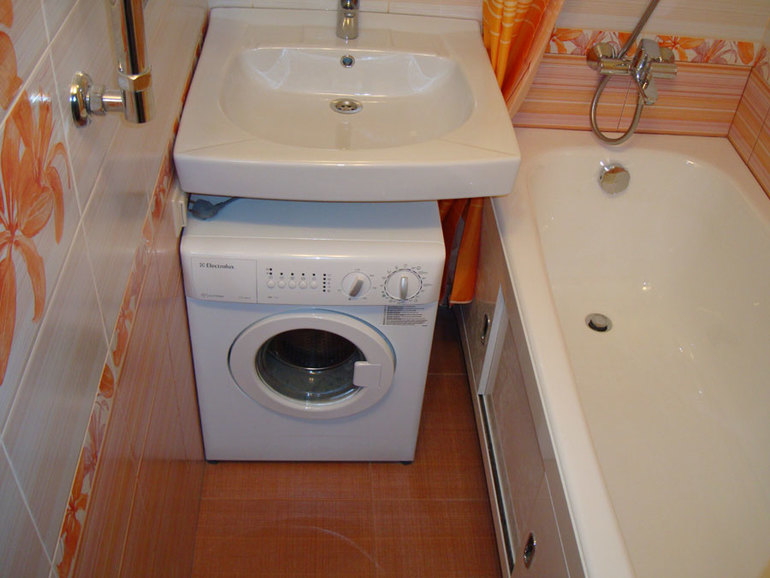
The wash cycle has ended, but water is still sloshing around in the washing machine drum. This is one of the most common problems: the laundry is wet, you’re afraid to open the door, and the machine seems to have stalled halfway through the cycle.
There are plenty of reasons for this malfunction. The drain line might be clogged with lint and small debris, the pump might be failing, the hose might be kinked, or the problem might have started after a power outage. From the outside, it looks like the same issue, but the scenarios can vary. And you shouldn’t put off dealing with it. Stagnant water quickly starts to smell, creates conditions for mold, and can cause further problems for the machine itself if left in this state for too long.
The good news: almost every machine has a manual drain function, which comes to the rescue when you need to safely remove the water without causing a flood, and then calmly figure out exactly where the problem occurred.
Why do washing machines have trouble draining water?
The drain in a washing machine works like a chain, and a malfunction at any point immediately results in the water remaining inside. When a washing machine fails to drain, the cause could be a clog, a kinked hose, a dirty filter, a weak pump, or a breakdown of the drain system itself. Sometimes the problem starts after a single failed wash cycle; other times, it develops gradually as small debris accumulates inside, causing the machine to take longer and longer to drain after a cycle.
Therefore, issues with water drainage in a washing machine shouldn’t be reduced to a single scenario. In some cases, the water drains slowly with a humming sound; in others, the drain stops completely. It also happens that the machine tries to pump out the water but cannot force the flow through due to a clog or a faulty component. The sooner you identify the exact weak spot, the lower the chance of the situation escalating to overflow, odors, and more expensive repairs.
Common causes of washing machine drain clogs
Usually, the drain system clogs gradually, and before it fails completely, the machine often gives several warning signs: it runs louder than usual, leaves water in the tub after the rinse cycle, or operates as if it’s struggling to finish the cycle.
Accumulation of lint, dirt, and fabric debris
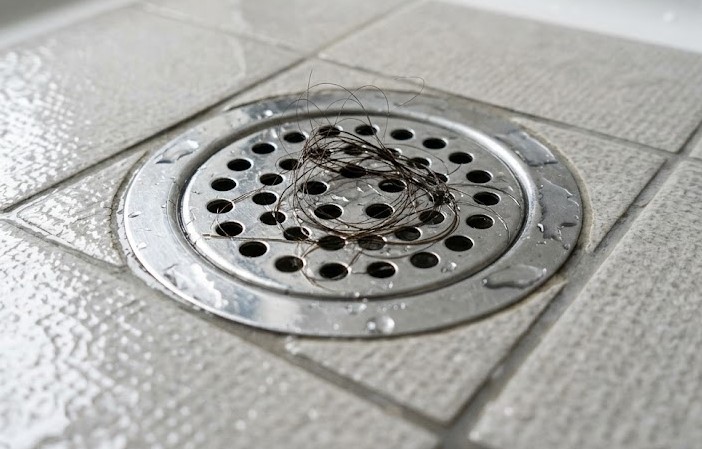
After washing, fibers, threads, lint, small debris from pockets, and dirt particles washed off the clothes remain inside the system. Over time, all of this settles in narrow passages and turns into a full-blown clog in the washing machine drain, preventing water from draining at a normal rate.
Sometimes, against this backdrop, a problem with the washing machine’s drain pump may seem suspicious, even though the pump itself may still be in working order. It is simply working under excessive strain because the water flow is passing through a partially clogged section.
Clog or kink in the drain hose
The hose can obstruct drainage not only due to debris inside, but also due to a simple kink after moving the appliance or an improper connection. In that case, water either drains very slowly or remains in the tub after the cycle. If the washing machine’s drain hose is clogged, this is often evident from sluggish drainage and a humming sound with no result.
And when water is trapped inside the washing machine, it’s worth checking not only the pump but also the entire path through which the water is supposed to exit.
Malfunction of the pump filter or drain pump
The pump filter collects small objects and debris that may have entered the system, and if it hasn’t been cleaned in a long time, it becomes the source of the problem itself. Therefore, cleaning the washing machine’s pump filter is often the first and most logical step.
If the filter is clean but the water still won’t drain, you’ll need to consider the pump itself. In this situation, fixing the washing machine’s drainage problem may require not just cleaning, but diagnosing the component responsible for pumping out the water.
Signs That Your Washing Machine Isn’t Draining
A complete drainage failure rarely happens without any warning signs. At first, the machine may take longer to complete the final cycle, make unusual noises during the drain cycle, or leave laundry too wet after the spin cycle.
And when the washing machine fails to drain water not just occasionally, but noticeably and regularly, it usually means that a problem in the drainage system has already developed and won’t go away on its own.
But the most obvious sign is when water remains in the washing machine drum after the cycle ends. This may be accompanied by an unpleasant odor, an interrupted cycle, error messages on the control panel, or the feeling that the machine “freezes” before the spin cycle for longer than usual.
It’s best not to ignore these signs: the longer the water sits inside, the greater the risk to the machine itself and the more unpleasant the consequences for your laundry and the inside of the drum.
How to drain water from a washing machine manually
The task here is simple: remove the water carefully and avoid turning one problem into two. Before starting, it’s best to unplug the machine, lay down some rags, and prepare a container in advance, because even with careful draining, some water almost always spills out.
Using the hose drainage method
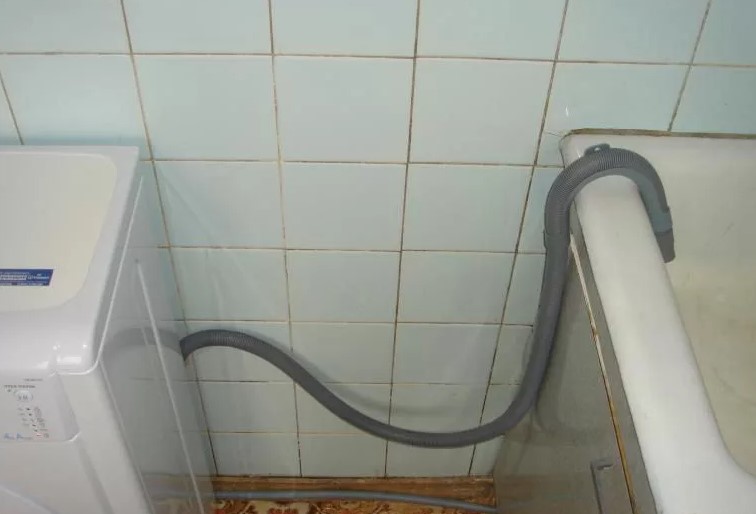
If you have access to the hose, this is usually the first step. To drain water from the machine via the hose, you don’t need to disassemble the housing right away: simply lower the outlet below the level of the drum and direct the flow into a bucket or floor drain.
This method is essentially a manual way to flush the drain: the water flows out by gravity, and the person controls the process, preventing it from spilling onto the floor.
Opening the drain pump filter
If almost no water is flowing through the hose, the next logical step is to check the filter. Cleaning the washing machine’s pump filter often immediately reveals where lint, small debris, or random items from a pocket have accumulated, which is what’s preventing normal drainage.
This same assembly is often used for emergency drainage of the washing machine when the tub needs to be emptied first, and only then can you proceed to check the pump, hose, and other parts.
Emergency Drainage Method Using a Bucket
Sometimes the most reliable option is the simplest one. If you need to drain water from the washing machine, but the process is too slow through the hose and filter, the remaining water is removed using small containers.
When you have to drain water from the washing machine manually, this method may not look very elegant, but it gives you complete control over the situation. Yes, it takes longer. But it’s smooth, without spilling water on the floor, and without trying to force more water out of the machine than it’s ready to release at once.
What to Avoid When Draining Water from a Washing Machine
In such situations, it’s usually not mechanical failures that cause problems, but overconfidence. If you’re having drainage issues with your washing machine, don’t pull on the hoses with force, open the filter without using rags or a container, reach inside the machine while it’s plugged in, or try to “push” the water out with random objects. It’s easy to cause a leak, damage the fasteners, or add an electrical hazard to the clog.
If you’re already figuring out how to fix a drainage problem in your washing machine, it’s best to tackle two tasks separately: first, safely remove the water, then look for the cause. Trying to do everything at once is definitely a bad idea.
When to call a professional plumber or specialist
If water remains after every wash cycle, the machine is noisy, leaking, or the drain clogs again shortly after being cleared, DIY solutions have reached their limit. At this point, the question of how to fix a malfunctioning washing machine drain ceases to be a simple household issue and becomes a diagnostic one: you need to check the pump, the hose, the connections, and the drain line itself.
The same applies when a recurring issue with the washing machine’s drain pump arises. If the unit operates intermittently, hums without draining, or the system displays an error, don’t delay the inspection. A thorough inspection is needed here, not just another attempt to unclog it.
How Pryde Group Can Help with Drainage Issues
When water doesn’t drain completely from the machine and the problem keeps recurring, it’s better to look at the bigger picture right away rather than just focusing on a single filter or hose. At Pryde Group, we address such situations by examining the entire drainage system:
- We conduct a professional inspection of drainage systems;
- We safely remove clogs without putting the equipment at risk;
- They check for malfunctions in the pump, hose, or water supply pipe;
- They offer solutions for prevention and routine maintenance;
- They connect you with experienced plumbing and repair specialists.
This approach helps not just to drain the water right now, but to prepare the machine so that the root cause of the recurring problem is addressed