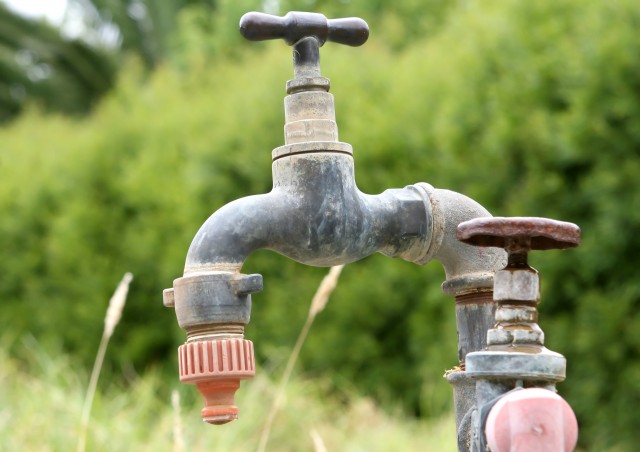
Most of the time, an outdoor faucet gets opened without much thought. You connect the hose, turn the handle, and move on with your day. Then you notice it keeps dripping after being shut off. Or water shows up where it clearly should not be. Or the faucet simply did not survive winter and refuses to open or close properly.
Unlike indoor fixtures, outdoor faucets fail more often. They live outside. That means constant exposure to cold, heat, moisture, pressure, and the very human habit of saying “I deal with it later.” Over time, that combination turns small issues into real problems.
This text looks at what typically goes wrong with outdoor faucets, why these issues should not be ignored, and where the line is between a safe DIY fix and a situation where it is better not to take risks.
Why Outdoor Faucets Commonly Fail
Indoor plumbing lives in warmth and relative calm. Outdoor plumbing does not. It is exposed year-round, which makes it vulnerable in several ways at once.
The first factor is weather. Temperature swings, freezing winters, thaws, and summer heat constantly affect metal and rubber components. Materials expand, contract, and lose flexibility. Over time, this creates gaps and weak points. That is why outdoor faucet repairs are needed far more often than indoor ones.
The second factor is moisture and pressure. Even after the faucet is shut off, water remains inside the body and connected pipe. If it was not properly drained before winter, that water freezes, expands, and can crack the pipe. You do not see it right away, but when water is turned back on in spring, the problem often appears immediately.
There is also a mechanical factor. Outdoor faucets are used less often, but usually more aggressively. They are opened and closed quickly, sometimes with force. Washers and valves do not respond well to that, especially if the outdoor plumbing is older and rarely maintained.
Add in the lack of regular checks, and outdoor faucets become one of the most vulnerable parts of a home’s plumbing system.
Common Outdoor Faucet Problems
Most issues start small and easy to ignore. A slow drip. A handle that does not feel quite right. A delay when shutting off. Over time, those small signs stop being minor.
Leaking or Dripping Outdoor Faucet
This is the most common situation. The faucet is closed, but water continues to drip. Sometimes it is obvious. Sometimes it only shows as damp ground beneath it. In most cases, an outdoor faucet leak is caused by worn washers or seals inside the valve.
The problem is that dripping water rarely stays outside. Moisture slowly works its way into walls or toward the foundation. In winter, this becomes especially problematic when water freezes where it should not be.
Faucet Won’t Turn Off Completely
Sometimes the handle turns fully, but water continues flowing at a low rate. In these cases, the issue is usually deeper than a simple washer. The valve itself may be damaged or deformed.
When an outdoor faucet does not shut off completely, pressure remains in the system. That accelerates wear and increases the chance that the leak is not just external, but also inside the wall.
Freeze Damage and Cracked Pipes
This is the most costly scenario. Freeze damage to an outdoor faucet is not always visible right away. Cracks often form inside the pipe or valve body, while everything looks fine from the outside. Until the faucet is turned on.
Once pressurized, water finds the weak point. A leak appears, sometimes inside the house. At that point, the repair becomes far more involved and expensive than a simple fall shutdown would have been.
Should You Fix an Outdoor Faucet Right Away?
This is what many homeowners fall into. The issue exists, but it does not feel urgent. A small drip. Water only leaks under pressure. “I will deal with it later.” That mindset is exactly how minor issues turn into major repairs.
If an outdoor faucet leaks after being shut off, the water does not disappear. It seeps into soil, walls, or the foundation. From the outside, this may look harmless. Over time, it is not. Moisture eventually reaches structural areas, and the problem stops being just plumbing.
There is also a cost factor. Even a slow leak means continuous water usage. It may not be obvious at first, but over months, utility bills rise without a clear explanation.
Weather adds another layer of risk. If a faulty faucet is left until freezing temperatures arrive, trapped water can freeze and crack pipes inside the wall. In spring, the damage often shows up in multiple places at once.
The conclusion is simple. If an outdoor faucet is leaking, it should not be delayed. The earlier the repair, the fewer consequences it creates.
How to Fix an Outdoor Faucet
When it comes to repairing an outdoor faucet, one thing needs to be clear from the start. Not every issue requires a complex repair, but not every problem should be handled without experience. Much depends on where the issue is located and how long it has been developing.
In general, outdoor faucet repair starts with identifying the source of the leak. Water may come from the valve body, from connections, or only appear under pressure. Sometimes a problem that looks external is actually located deeper inside the wall.
Basic Checks Homeowners Can Perform
There are a few safe steps that can be done without diving into repairs. First, shut off the water supply and see whether the leak stops completely. This helps determine whether pressure is contributing to the issue.
Next comes a visual inspection. Look at where the water appears. The faucet body, the wall connection, and the surrounding area all matter. These simple checks often provide more clarity than immediately trying to tighten or replace parts. This is usually where understanding whether you can fix an outdoor faucet yourself begins.
When Faucet Parts Need Replacement
If the leak returns or the faucet does not hold water even after shutoff, worn components are often the cause. Washers lose flexibility, seals stop fitting properly, and sometimes the internal mechanism wears out.
In these cases, replacing a washer may solve the issue, but only if the damage has not gone deeper. If the faucet body or threaded connections are compromised, outdoor faucet repair often means replacing the entire unit. That approach is more reliable than trying to patch individual parts.
How to Prevent Outdoor Faucet Problems
Prevention works better than any repair. Most issues develop gradually, not suddenly. A minor drip, a stiff handle, a slight delay, and then the faucet fails to survive the season.
Regular checks matter. At the beginning and end of the season, it helps to see how the faucet closes and whether there is moisture around it. Catching small issues early keeps repairs simple.
Winter preparation is equally important. Before freezing temperatures arrive, outdoor faucets should be fully shut off and drained. Water left inside almost guarantees freeze damage. Fall maintenance often prevents spring leaks.
Daily habits also play a role. Avoid overtightening, using the faucet as a support point, or leaving accessories connected for long periods. All of these add unnecessary stress to the mechanism.
In short, outdoor faucets should survive seasons calmly, not by luck. A bit of timely attention can delay repairs for years.
When to Call a Professional Plumber
Sometimes the situation is obvious. You can see the leak, understand the cause, and know the solution. Other times, a simple-looking issue turns out to be far more complex. Calling a plumber makes sense when:
- The leak appears inside the wall or near the foundation;
- There is freeze damage and water is not leaking from the faucet itself;
- The faucet has been repaired before and the issue returned;
- The plumbing is old and the pipe condition inside the wall is unknown.
Trying to “get through the season” or guessing in these cases often makes things worse. Internal leaks can go unnoticed until they cause visible damage indoors.
Professional outdoor faucet repair is not about ability. It is about perspective. A plumber looks at the entire system, not just the faucet. In these situations, accurate diagnosis matters more than quick fixes.
How Pryde Group can help with outdoor faucet repairs
When an outdoor faucet issue goes beyond a minor drip, understanding what is really happening becomes the priority. Pryde Group starts with diagnostics, not guesswork.
Technicians assess the faucet, connections, and the section of pipe behind the wall. This helps determine whether the problem is limited to the exterior fixture or extends into the system. This approach is especially important after winter, when freeze damage is not always immediately visible.
Repairs are performed using solutions designed for outdoor conditions. Temperature swings, water pressure, and seasonal use are all considered. The goal is not just to stop the current leak, but to make sure the faucet handles the next season without issues.
Preventive care is also part of the process. Seasonal maintenance services help identify weak points early and prepare the system for colder weather without emergency calls.
Pryde Group is a local team that understands the challenges Canadian homeowners face. That local experience allows outdoor faucet repairs to be approached with real-world conditions in mind.
If an outdoor faucet starts behaving unpredictably, addressing it early is the safest choice. Calmly, practically, and without the costly consequences of waiting too long.