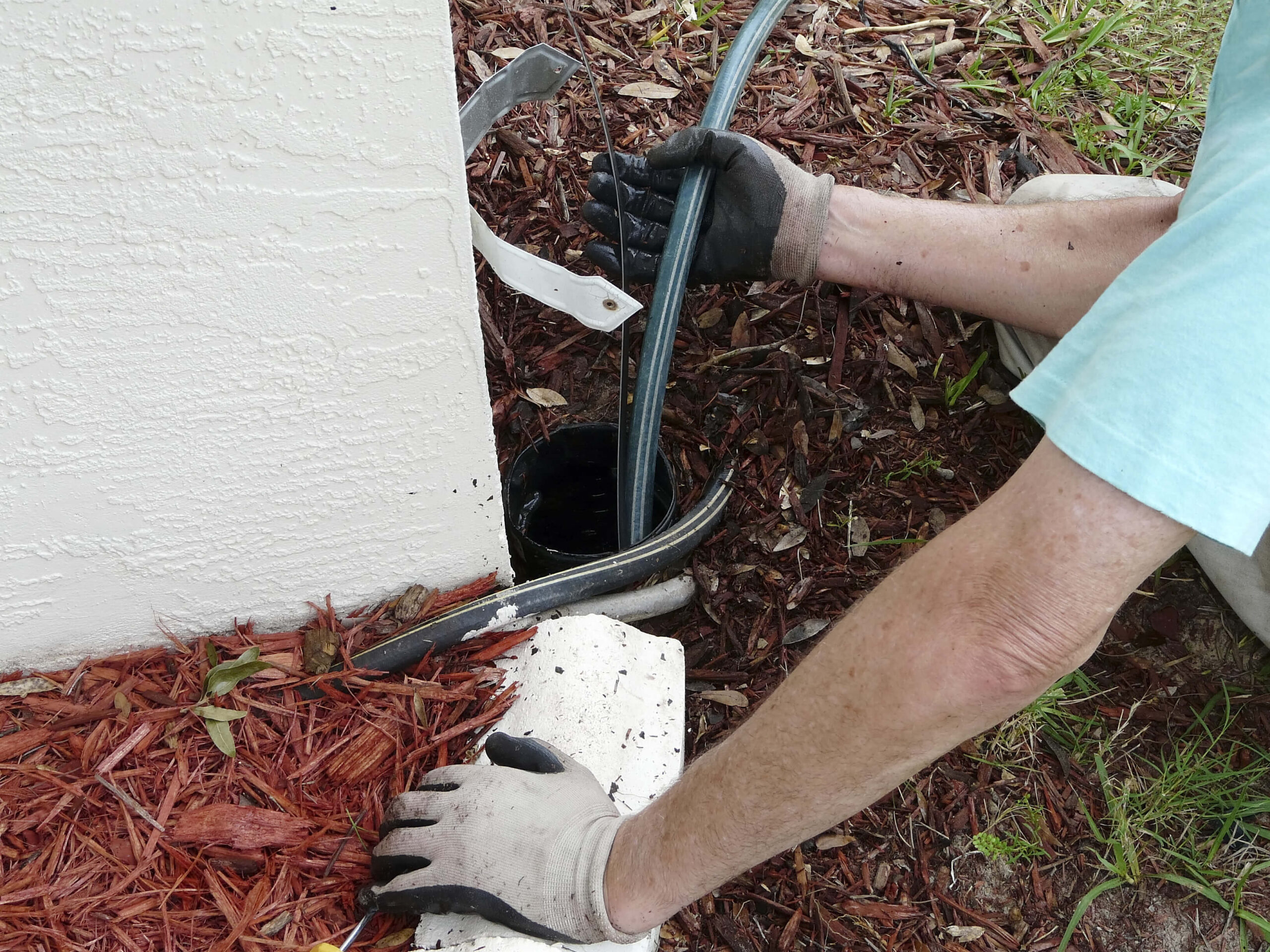
The most common mistake when dealing with a clog is to start trying to unclog the drain before figuring out what exactly is causing the blockage. And almost the entire “home” arsenal comes into play: boiling water, harsh chemicals, a plunger, wire, a cable—and most often, everything at once without pause. But in 8 out of 10 cases, this enthusiasm is disastrous for the pipes.
Grease, hair, soap scum, food scraps, and old buildup each require a different approach. Cleaning too aggressively can damage the trap or connections, or push the clog even deeper, only making the problem worse. And even if the water is still draining—just slower than usual—that’s a problem too. After all, over time, this is accompanied by an unpleasant odor, gurgling, and standing water—clear signs that the pipe’s passage has already narrowed.
To prevent a simple cleaning job from turning into a major repair, it’s important to understand the causes of clogs, safe at-home methods, the limitations of store-bought products, and the signs that indicate it’s better to stop and call a plumber.
Why Do Sewer Pipes Get Clogged?
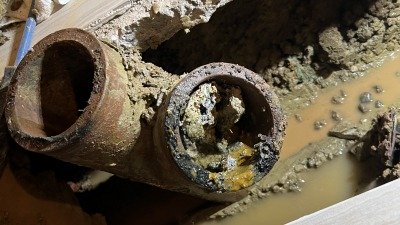
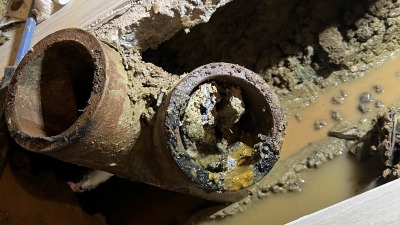
A clog forms where the water flow can no longer freely wash away everything that goes down the drain. Grease and soap build up on the pipe walls as a film, creating rough spots where hair and small debris get caught; eventually, all this “junk” accumulates in one spot, narrowing (and eventually completely blocking) the passage. The water drains more slowly, and at some point, unclogging the drain with household items no longer helps.
This is especially true if the clog is located beyond the trap, where you can’t reach it with your hand or a household drain brush. In such cases, repairing a clogged drain begins with inspecting the affected section: you need to determine exactly where the passage is blocked, remove the buildup safely, and ensure there is no damage to the pipe.
Household Materials That Cause Clogs
In the kitchen, the main source of buildup is grease. It goes down the drain while hot, but cools inside the pipe and attracts crumbs, food scraps, and small debris. Therefore, solutions to clogged pipes depend not only on the severity of the clog but also on what exactly is blocking the passage.
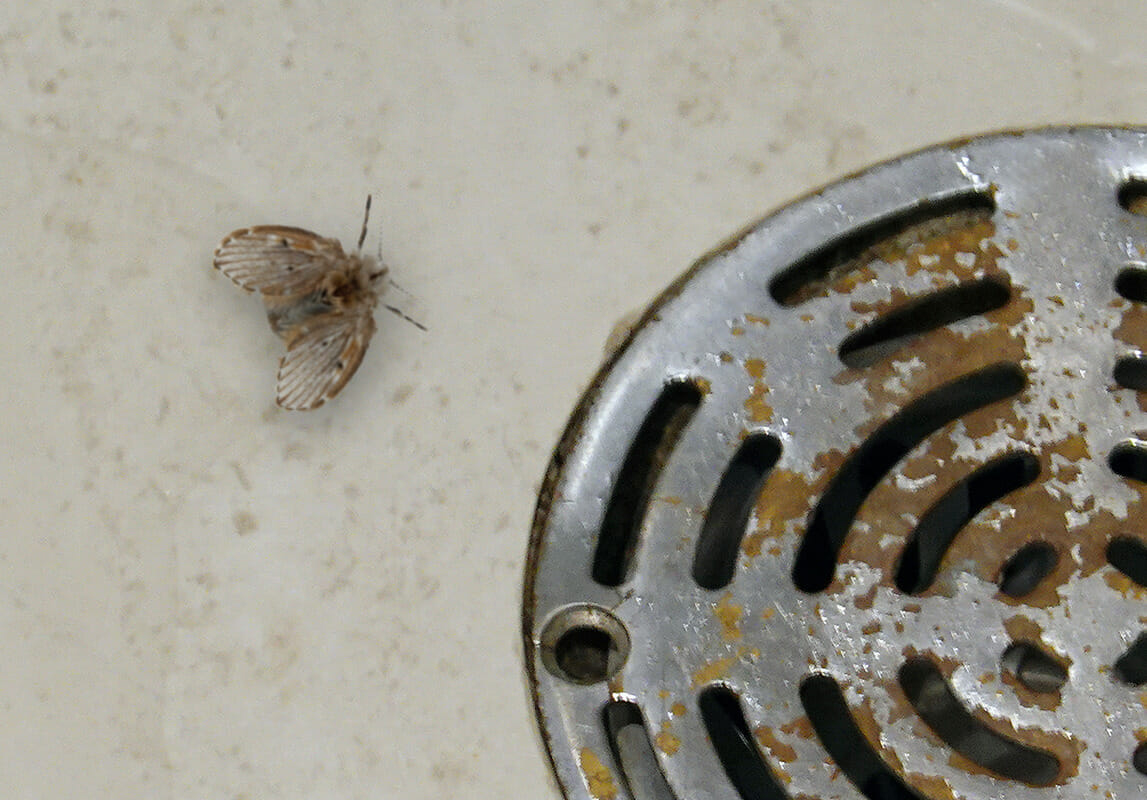
In the bathroom, a different mix is at work: hair, soap, toothpaste, cosmetics, and dirt from your hands gradually accumulate into a dense clump. This is how a sink drain becomes clogged: at first, the water drains more slowly; then it starts to pool in the basin, and the odor from the pipe becomes more noticeable.
Accumulation Over Time
The drain slows down gradually, and while the water seems to be draining, it pulls new deposits onto the old ones: grease, scum, hair, and small debris cling more tightly together, and the flow becomes less effective at flushing the area with each passing day. Therefore, solutions to slow-draining problems depend on the depth of the clog: you can remove surface buildup yourself, but it’s safer to use a tool to clear a solid blockage in the pipe.
And virtually all advice on sewer maintenance boils down to a simple habit: don’t pour grease down the drain, install strainers over the drain, flush the trap, and don’t wait until water starts pooling in the sink. The sooner you notice the slowdown, the lower the risk of having to dismantle the pipe.
Tree Roots and External Factors
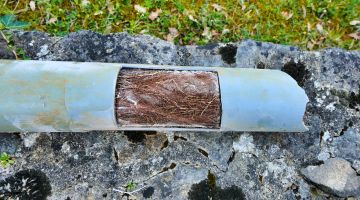
The problem may not be inside the house, but in the section of pipe buried on the property. Tree roots are drawn to moisture, find weak spots in the joints, and gradually block the passage. In such cases, unclogging blocked drains can no longer be resolved with a plunger or an over-the-counter product from a store.
Sewer system performance is also affected by soil subsidence, old pipes, cracks, and misaligned joints. If water isn’t draining properly at several points in the house at once, you’ll need to repair the sewer lines and inspect the entire system, rather than just unclogging a single sink.
Signs of a Clogged Drain
It’s best to catch a clog before water completely backs up in the sink or shower. The first steps to take when the drain is slow are usually based on the symptoms, because they indicate where to look for the problem: near the trap, deeper in the pipe, or already in the main line.
There are several signs to look out for:
- Water drains slowly even after a normal flush;
- You hear gurgling coming from the drain;
- An unpleasant odor appears near the sink;
- Water stands for longer than usual;
- A similar problem occurs in several places at once.
If the symptoms return after you’ve cleaned the drain yourself, you’ll need more than just a one-time fix—you’ll need solutions for persistent clogs in the sewer system. A recurring odor, standing water, and gurgling often indicate that the blockage is deeper than it seems.
Safe Methods for Clearing a Clogged Drain
Safe drain cleaning starts with assessing the situation. If the water is draining slowly but the drain isn’t completely blocked, you can start with gentle methods: hot water, baking soda and vinegar, a plunger, or careful use of a drain snake. The goal isn’t to force the blockage through at any cost, but to remove the buildup without damaging the pipe.
Choose a method based on where and how the problem manifests:
- Kitchen drains are most often clogged by grease and food scraps;
- Bathroom and shower drains—by hair, soap, and cosmetics;
- A sink can get clogged in the trap or further down the pipe;
- Multiple problem areas at once indicate a deeper clog.
If, after safe unclogging, the water still drains slowly, it’s best not to increase the pressure or pour in more chemicals. A recurring clog needs to be checked more thoroughly.
Natural Home Remedies
DIY drain cleaning usually starts with hot water: it helps soften fresh grease buildup, especially in the kitchen, but it’s no substitute for proper cleaning when there’s a solid clog.
Baking soda and vinegar are suitable for a gentle attempt to remove light buildup and odors. When it comes to unclogging a drain naturally, it’s important not to expect miracles: the mixture can help with surface buildup, but it won’t dissolve hair, thick grease, or a deep clog.
Mechanical tools for unclogging drains
A plunger works best when the clog is close to the drain and hasn’t yet turned into a solid blockage. It creates a pressure difference that causes the water to push the buildup back and forth. Use it gently, without excessive force, especially if there’s an old trap or weak connections under the sink.
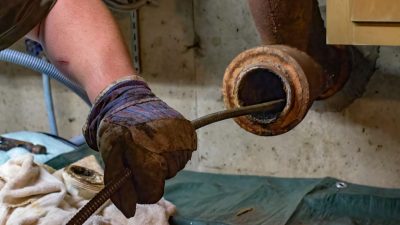
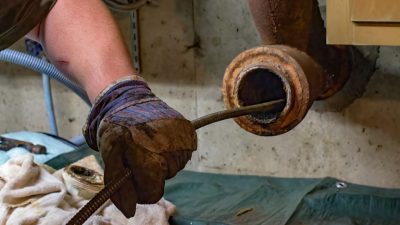
If the blockage is deeper, use a drain snake. It reaches further down the pipe, catches hair, soap scum, or a thick buildup, and helps pull out or break up the blockage.
However, any type of drain cleaning requires caution. Do not force the cable through abruptly, twist it with excessive force, or use it blindly in old or plastic pipes: you could damage the pipe walls or joints, or push the clog even further down.
Store-Bought Products and Their Limitations
Chemical drain cleaners can help if the greasy buildup or light organic deposits in the pipe are fresh. But these methods aren’t suitable for every situation: the formula may be too harsh for old pipes, rubber gaskets, and plastic joints.
If the water still drains poorly after a single application, pouring the product in again isn’t the best idea. Stubborn clogs often sit deeper in the drain or consist of a dense mixture of hair, grease, and debris. In such cases, chemicals may not clear the clog but could increase the risk of pipe damage.
Common Mistakes to Avoid When Unclogging Drains
The main mistake is to use more force rather than being more precise. People pour several chemicals at once, use a plunger without water in the bowl, shove a wire down the drain, or force a cable deeper into the pipe. Cleaning a clogged drain this way can break a joint, scratch the pipe, or turn a small clog into a solid blockage further down the line.
You need to be especially careful when using chemical drain cleaners. If the solution doesn’t work the first time, pouring it in again rarely solves the problem safely: the chemical can remain in the pipe, damage the seals, and complicate further work. After such experiments, what’s often needed isn’t just maintenance, but a full-scale and expensive repair of the sewer pipes.
When DIY Solutions Are No Longer Enough
Home cleaning makes sense when the clog is close to the drain and, after careful clearing, the water begins to drain normally. If the result is short-lived or the method doesn’t improve the situation at all, you need professional drain cleaning: they’ll look for the problem deeper down, rather than trying a new chemical, pumping the plunger harder, or pushing the cable deeper.
More specifically, you need a plumber when:
- Water isn’t draining properly in several places at once;
- The clog returns after cleaning;
- You suspect a crack, a displaced pipe, or tree roots;
- Water is backing up into the sink, shower, or bathtub;
- A plunger, hot water, and gentle drain cleaners aren’t working.
In such cases, sewer clog repair begins with an inspection of the affected area. The plumber selects a cleaning method suited to the pipe and the type of clog to remove the blockage without causing damage.
How Pryde Group Can Help Solve Sewer Problems
When a clog occurs, it’s important not only to clear the blockage but also to understand why it happened. Pryde Group inspects sewer pipes, assesses the condition of the drain, and selects the appropriate cleaning method for the specific situation: grease, hair, heavy buildup, a foreign object, or a problem further down the line.
Our plumbers’ services may include:
- Professional inspection of sewer pipes;
- Safe and effective sewer cleaning;
- Removal of stubborn clogs using modern equipment;
- Preventive recommendations to keep the problem from recurring.
Tips for Preventing Future Sewer Clogs
It’s best not to pour cooking grease down the sink; instead, collect it in a separate container and dispose of it in the trash. Hair, food scraps, and soap scum shouldn’t be allowed to flow freely into the drain either, so simple tips for maintaining your home’s sewer system usually come down to changing your daily habits:
- Install mesh strainers in the kitchen, shower, and bathtub;
- Clean the strainer after washing dishes or taking a shower;
- Rinse the kitchen drain with hot water after washing greasy dishes;
- Do not mix different chemical cleaners;
- Address slow drainage before it leads to a complete clog.
If the water is draining more slowly, odors are returning, or a clog keeps occurring in the same spot, these tips for cleaning your home’s plumbing won’t replace a professional inspection. It’s better to address the cause sooner rather than wait until the pipe is completely blocked.