You wake up in the morning, walk into the kitchen or bathroom and something feels off. Everything looks clean and dry, but the air clearly is not. A day later, the smell disappears on its own. Then it comes back. Again. And at some point, it starts to get on your nerves.
This is exactly how unpleasant drain odours usually behave. They appear seemingly out of nowhere, then fade away. That makes them easy to ignore. But if a drain smells bad from time to time, it means something is happening inside the system that will not resolve itself.
Most often, odours are caused by buildup inside the pipes, a dried-out trap, or issues with proper drain ventilation. At first, it feels like a minor inconvenience you can live with. Over time, though, these issues grow more persistent and harder to eliminate.
In this guide, we will explain where drain odours come from, why they keep returning, and what you can do to break the cycle. No alarmism. No harsh advice. Just clear logic and solutions that actually work.
Why Does Your Drain Smell Bad?
Drain odours usually appear when the system stops working as a whole. The drain may look clean, water flows normally, but the smell tells a different story. This means that somewhere between the fixture and the main stack, there is a weak point.
In many cases, unpleasant drain smells are linked to stagnation. Not necessarily a full blockage. Sometimes it is enough for water to drain slowly or for residue to regularly collect in a certain section of pipe. Odours build up gradually and escape when pressure in the system changes.
There is also a simpler scenario. If a drain is rarely used, the water seal in the trap can weaken. In that case, the drain smells without any obvious reason and just as suddenly improves after water is used. That is why the smell often comes in waves and feels confusing.
The key point is this. The smell itself is not the root problem. It points to a specific condition or location where the system has become unstable. That is where the real cause needs to be addressed.
Common Causes of a Stinky Drain
Drain smells can appear and disappear, which makes them easy to dismiss. That is the main mistake. These odours do not happen randomly. They form as a result of many small factors. In about 90 percent of cases, three causes are responsible.
Food, grease, and organic buildup
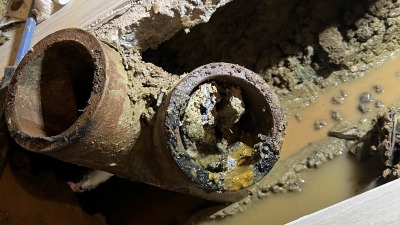
This usually happens in the kitchen. Grease, sauces, and food residue regularly go down the drain with hot water. Due to temperature changes, much of this mixture settles on pipe walls. Over time, the layer thickens, traps new particles, and begins to break down. This is how kitchen drain odours form.
At first, they are noticeable only occasionally, often after cooking. Later, unpleasant kitchen drain smells become a constant background issue. Especially when the sink is used frequently and maintenance has been neglected.
Hair, Soap Scum, and Bathroom Residue
In bathrooms, the process is different but the outcome is similar. Hair, soap residue, shampoo, and personal care products cling together and form dense clusters near the drain opening.
Unlike kitchens, bathroom drain odours often appear without a full clog. Water still drains, but more slowly through these deposits. Organic matter stays damp, and over time, unpleasant bathroom drain smells become noticeable even when drainage seems normal.
Dry or Faulty P-Trap
The trap has a simple but critical role. It holds water that blocks sewer gases from entering the home. If this water seal disappears or becomes unstable, sewer odours can move freely into the room.
This is common in rarely used spaces such as basements, guest bathrooms, or laundry rooms. Another reason drain smells appear is improper trap installation or damage. In these cases, odours often show up suddenly and disappear just as quickly after water is run.
Is a Smelly Drain a Serious Problem?
The tricky part about odours is how quickly people get used to them. Today it is noticeable. Tomorrow it seems weaker. A week later, it barely registers. It feels like the situation has stabilized. In reality, it has simply become familiar.
Unpleasant drain odours almost always mean something inside the pipes is lingering longer than it should. This does not necessarily mean an emergency. But it does mean the system is no longer working as intended. Buildup is staying inside and continuing to accumulate.
Another commonly missed detail is that drain odours rarely stay confined to one fixture. Today it is the sink. Tomorrow the shower. Then it feels like the smell is coming from several places at once. This is not the smell spreading. It reflects overall system stress.
A drain will not fail because of odour alone. But odours almost always appear alongside conditions that lead to failures. Constant moisture, organic buildup, unstable drainage. The longer the system operates like this, the harder it becomes to restore normal function with simple methods.
How to Clean a Stinky Drain
When a smell first appears, the goal is simple. Make it go away and not come back in a few days. That is when air fresheners, soaps, and cleaning products usually come out.
What often gets overlooked is one basic thing. The goal is not to mask the smell, but to remove its source. The approach depends on how deep the issue is within the system.
In mild cases, regular cleaning and simple steps are enough. In more complex situations, the smell returns even when the drain seems clean. So what usually works, and where is the line between routine care and the need for more serious solutions?
Simple Home Remedies for Drain Odors
If the smell is recent and not constant, starting with basic, safe actions makes sense. These methods are suitable for regular maintenance and often produce good results. Common options include:
- Hot water, which helps flush away fresh grease and soap residue;
- Baking soda and vinegar, useful for breaking down organic matter and lightly cleaning pipe walls;
- Enzyme-based cleaners, which work slowly but effectively by breaking down organic buildup without harsh chemicals.
These approaches work well for natural drain odour control and as preventive measures. But it is important to understand that they do not solve every situation.
When Basic Cleaning Isn’t Enough
If the smell keeps coming back even after cleaning, the issue is deeper. It may be a dense layer of buildup, a malfunctioning trap, or a section of pipe the cleaner never reaches.
In such cases, DIY drain odour removal provides only temporary relief. After days or weeks, the smell returns. This is a clear sign that a different solution is needed. Often, that means professional service.
How to Prevent Drain Odors in the Future
With drain smells, prevention is the easiest approach. The good news is that it does not require complex steps.
Consistency matters most. Periodically flushing drains with hot water prevents fresh buildup from settling. This is especially important in kitchens, where grease enters the pipes, and bathrooms, where soap residue and hair accumulate. This type of drain maintenance takes minutes but significantly reduces the risk of persistent odours.
It also helps to pay attention to how drains are used. Food scraps, thick sauces, and grease are best kept out of the sink. In bathrooms, cleaning hair catchers regularly and using drain screens can make a noticeable difference.
Rarely used spaces need attention as well. In basements, guest bathrooms, or laundry rooms, traps can dry out. Running water occasionally helps maintain the seal and keeps odours from entering the living space.
Prevention does not stop system wear. But it keeps things under control. The more consistent the maintenance, the lower the chance unpleasant smells will return.
When to Call a Professional Plumber
If drain odours refuse to go away despite careful maintenance, it is important to recognize when the issue is no longer about routine care. At that point, professional drain cleaning becomes necessary.
Calling a specialist does not always make sense. But it is time to do so if:
- The drain odour is constant and does not respond to cleaning;
- Unpleasant smells appear in multiple locations, such as sinks, showers, and laundry areas;
- The smell changes over time or becomes stronger after water is drained;
- The home is older or the system has not been serviced in years;
- DIY attempts provide relief for only a few days.
In these situations, odours are usually tied to the condition of the drainage system itself. Accurate diagnosis matters more than another attempt to mask the smell.
How Pryde Group Can Help Eliminate Drain Odors
When odours become persistent, the goal shifts. The task is not to hide the problem, but to locate its source and remove it safely. This is where Pryde Group comes in.
The process starts with a professional inspection of the drainage system. A technician evaluates pipes, traps, and connections to determine where the smell is forming and why it keeps returning. This allows for a targeted and effective cleaning approach rather than guesswork.
Cleaning methods are selected to protect the pipes and remain suitable for long-term use. This is especially important in houses and condos with plumbing systems of different ages. After the odour is eliminated, preventive guidance helps reduce the risk of recurrence.
Pryde Group operates as a local team. Technicians understand common building layouts, plumbing setups, and the issues homeowners face most often. This allows problems to be resolved efficiently, without unnecessary trial and error.
If unpleasant drain odours keep coming back, it makes sense to stop the cycle once. Calmly, properly, and with a lasting result.