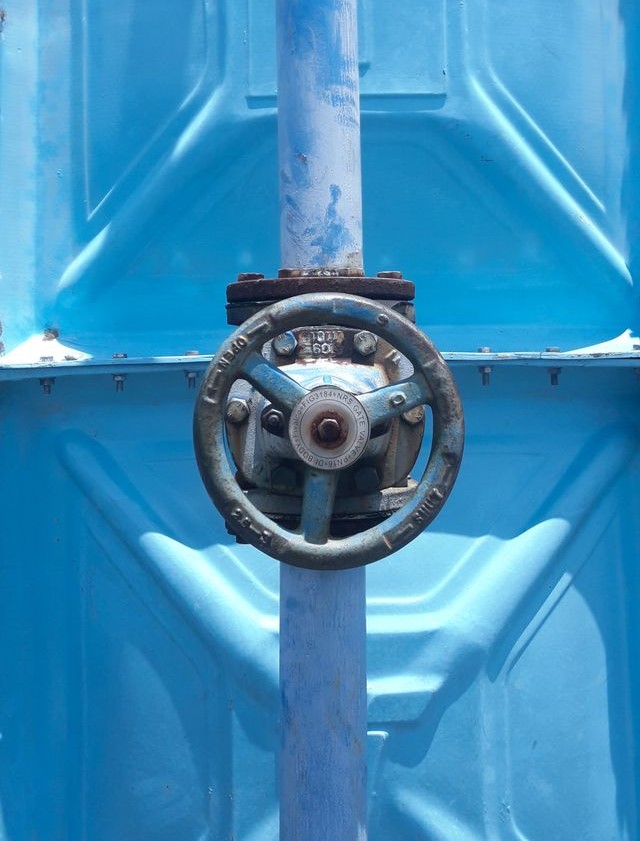
The first thing you need to do if water starts gushing out of a pipe is to shut off the water supply immediately. But how do you do that? Every home has a special valve for this purpose. It’s helpful if you know in advance where it is, what it looks like, and whether it turns freely. During an emergency, there’s no time to look for it: water quickly spreads across the floor, seeps under furniture, penetrates the walls, and can reach the electrical wiring. Even a slight delay increases the extent of the flooding and the cost of subsequent repairs.
But what if you have no idea where the main shut-off valve is located? In some homes, it’s next to the water meter; in others, it’s near the foundation or in an underground box at the property line. There may be similar valves nearby that only shut off the sprinkler system or a separate line.
Where are shut-off valves most commonly installed, how can you tell the main valve apart from the others, and what should you do if it’s rusted, won’t turn, has started leaking on its own, or is located outside your property line? Let’s figure it out.
What is an outdoor water shut-off valve?
An outdoor water shut-off valve cuts off the flow at the point where the water line enters the house or connects to the municipal water supply. It allows you to stop the water supply to the entire system at once, rather than to a single faucet, toilet, or household appliance.
Typically, the outdoor water shut-off valve is installed before the internal pipe branches. Therefore, once it’s closed, water stops flowing to every point in the house. This allows you to safely fix a major leak, replace a damaged pipe, or perform repairs on the entire system.
Why It’s Important to Know the Valve’s Location
When a pipe bursts, water doesn’t wait for you to find the right valve. It quickly spreads across the floor, seeps under furniture, and seeps into the walls. That’s why shutting off the water supply in an emergency shouldn’t take half an hour of searching, but rather a couple of minutes—ideally, just a few seconds.
But the main shut-off valve isn’t just useful for major leaks. You’ll need to turn it off if a pipe freezes, a connection breaks, or you need to urgently replace a damaged section. In such cases, it’s important to know in advance where to shut off the water supply to the house and to make sure the valve actually turns.
Where to Find the Outdoor Water Shut-Off Valve
There is no single location for it, as its placement depends on the age of the house, the plumbing layout, and the regulations of the local utility company. It’s best to start your search at the point where the water main enters the building from the street.
Near the Water Meter
In many homes, the location of the outdoor water shut-off valve is related to the water meter or the line leading up to it. The valve may be located in the same underground well, in an adjacent box, or closer to the property line.
However, in regions with cold winters, the meter itself is often installed inside the house, so you shouldn’t rely solely on it. You can determine the location of the main water shut-off valve by following the direction of the incoming pipe or by contacting your utility provider.
Along the Outside of the Foundation
Inspect the wall through which the water line enters the house. The outdoor water shut-off valve is sometimes installed near the foundation, next to the garage, a utility room, or a side wall. It may be covered by a decorative panel, insulation, or a box.
To find the main water shut-off valve, trace the direction of the pipe from inside the house and check the corresponding area outside. Do not try to turn every valve you come across: some of them may be for irrigation or a separate outdoor water supply line.
Underground Valve Distribution Boxes
The most inconspicuous option is a small manhole in the ground near the sidewalk, driveway, or property line. Under the cover may be an outdoor water shut-off valve installed on the line between the municipal water system and the house.
Such a water shut-off valve is often opened with a special key and may fall under the responsibility of the municipal utility service. If the cover is locked and the valve is located outside the property line, you should not attempt to open the box yourself.
Different Types of Outdoor Water Shut-Off Valves
Outside the house, gate valves and ball valves are the most common. They differ significantly in appearance and how they are closed, so it’s helpful to know in advance which type is installed at your home.
Gate Valves
A gate valve typically has a round handle that you need to turn clockwise several times. Inside, a metal gate gradually lowers—this is what cuts off the water flow.
These valves are often found in older homes and on underground lines. Over time, they can rust or become corroded, so you should not apply sudden force to the handle.

Ball valves
A ball valve is easily recognizable by its straight handle. To shut off the water, turn it a quarter turn until it is perpendicular to the pipe.
This design closes faster and generally provides a better seal. That’s why plumbers often install a ball valve when replacing an old gate valve.
How to Safely Shut Off the Water Supply to Your Home
If you’re not sure how to shut off the water supply outside, don’t rush to use force right away. Turn the gate valve clockwise until it stops, and turn the handle of the ball valve a quarter turn across the pipe. If the valve won’t budge, it’s best to stop: a rusted part can easily break.
After shutting it off, open a faucet inside the house and check if the water has stopped flowing. If water continues to flow, you may have found the wrong valve, or the main water shut-off valve for the house isn’t fully closed. In this case, it’s safer to call a plumber than to try to force the mechanism open with tools.
Common Mistakes Homeowners Make
Problems with the main valve often begin long before a failure occurs. For years, people don’t check it, don’t inspect its condition, and don’t even figure out which part of the system it shuts off. As a result, when a leak occurs, people end up acting blindly:
- Confusing the main valve with the irrigation system valve;
- Looking for it only after a pipe bursts;
- Turning a seized handle with a wrench or a long lever;
- Trying to force a rusted mechanism open with a sudden jerk;
- Assume the valve is in working order simply because it looks intact.
It’s best to locate the main shut-off valve in advance and periodically check whether the handle moves. If the valve is stuck, leaking, or visibly damaged by corrosion, it should be serviced or replaced before an emergency occurs.
When to Call a Professional Plumber
If the valve won’t turn, don’t apply more force, as a broken handle or stem will only complicate the emergency shutdown of the water supply—especially when water has already started flowing.
Call a professional if:
- The valve is jammed;
- There is severe corrosion on the valve body;
- Water is leaking from under the handle or the connections;
- The supply pipe is damaged;
- You cannot locate the main shut-off valve.
In such cases, professional plumbing services allow you to safely shut off the water, inspect the line, and, if necessary, replace the faulty valve.
How Pryde Group Can Help
The problem is not considered solved when the valve is finally found, but when it can be used safely at any time. Pryde Group specialists will verify that the selected shut-off valve actually shuts off the water supply to the entire house and will restore the system to working order.
The work may include:
- Locating the shut-off valve on the property or beyond its boundaries;
- Checking the water supply and the condition of the pipes;
- Repairing or installing a new shut-off valve;
- Repairing emergency damage;
- Preventive maintenance of the plumbing system.
All work is performed by licensed plumbers. After a specialist’s visit, the homeowner won’t have to search for the right shut-off valve again in the event of a leak or wonder whether it will work.