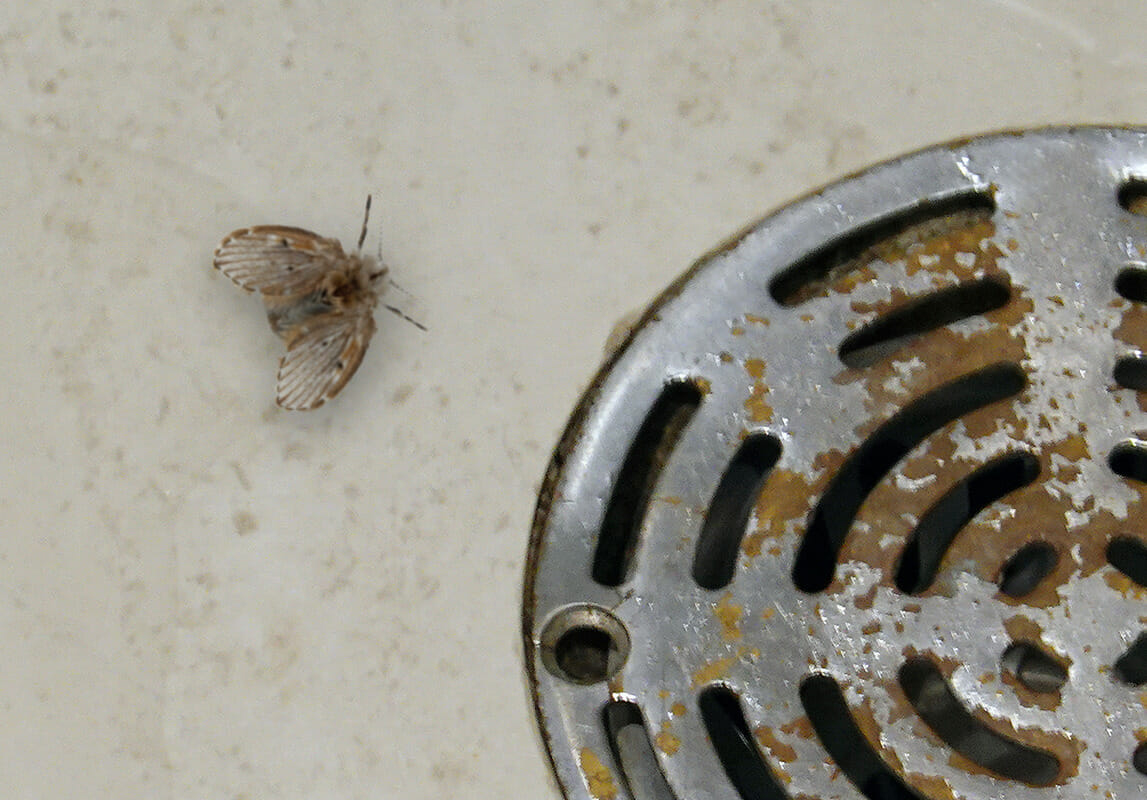
In the morning, you notice that water in the shower drains more slowly than usual. It still goes down, so it feels manageable. By the end of the shower, you are standing in ankle-deep water and nothing changes. You grab a plunger, and for a moment it seems to work. The level drops. A day or two passes, and the same thing happens again. Then comes the point where even the plunger stops helping.
This is when many people think about a drain snake. It is not a last-resort tool, but a practical way to clear a drain. A plumbing snake allows you to reach deeper clogs and remove what a plunger or chemical cleaners cannot.
At the same time, a drain snake needs to be used carefully. It can help, but it can also cause damage if used without understanding what is happening inside the pipes. That is why it is worth taking a closer look at what a drain snake is, when it is actually useful, and how to use it safely. No heroics and no unnecessary risk to your plumbing.
What Is a Drain Snake and How Does It Work?
When a clog does not respond to a plunger or drain cleaners, a drain snake often becomes the next option, assuming you do not want to take the system apart by hand.
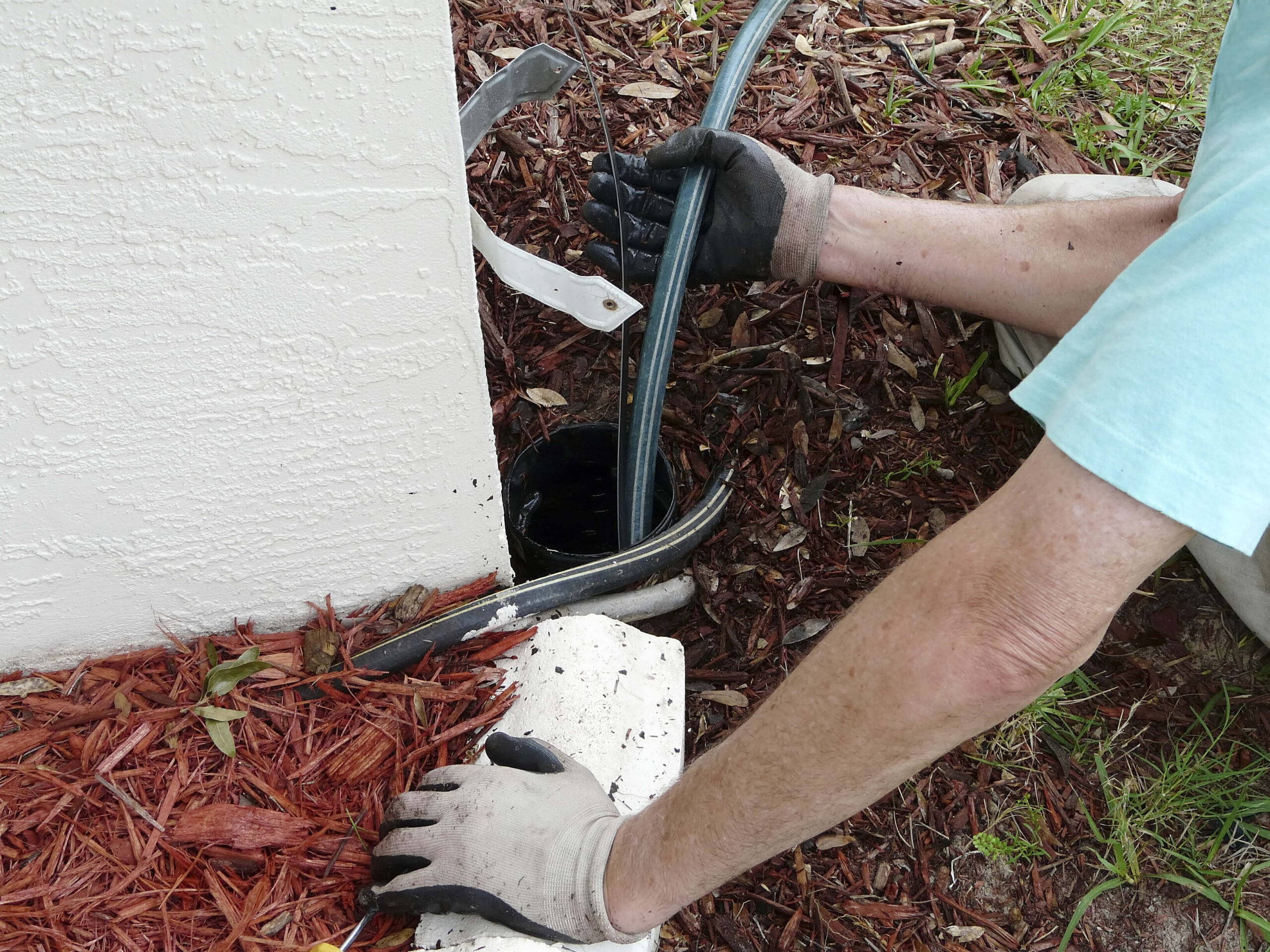
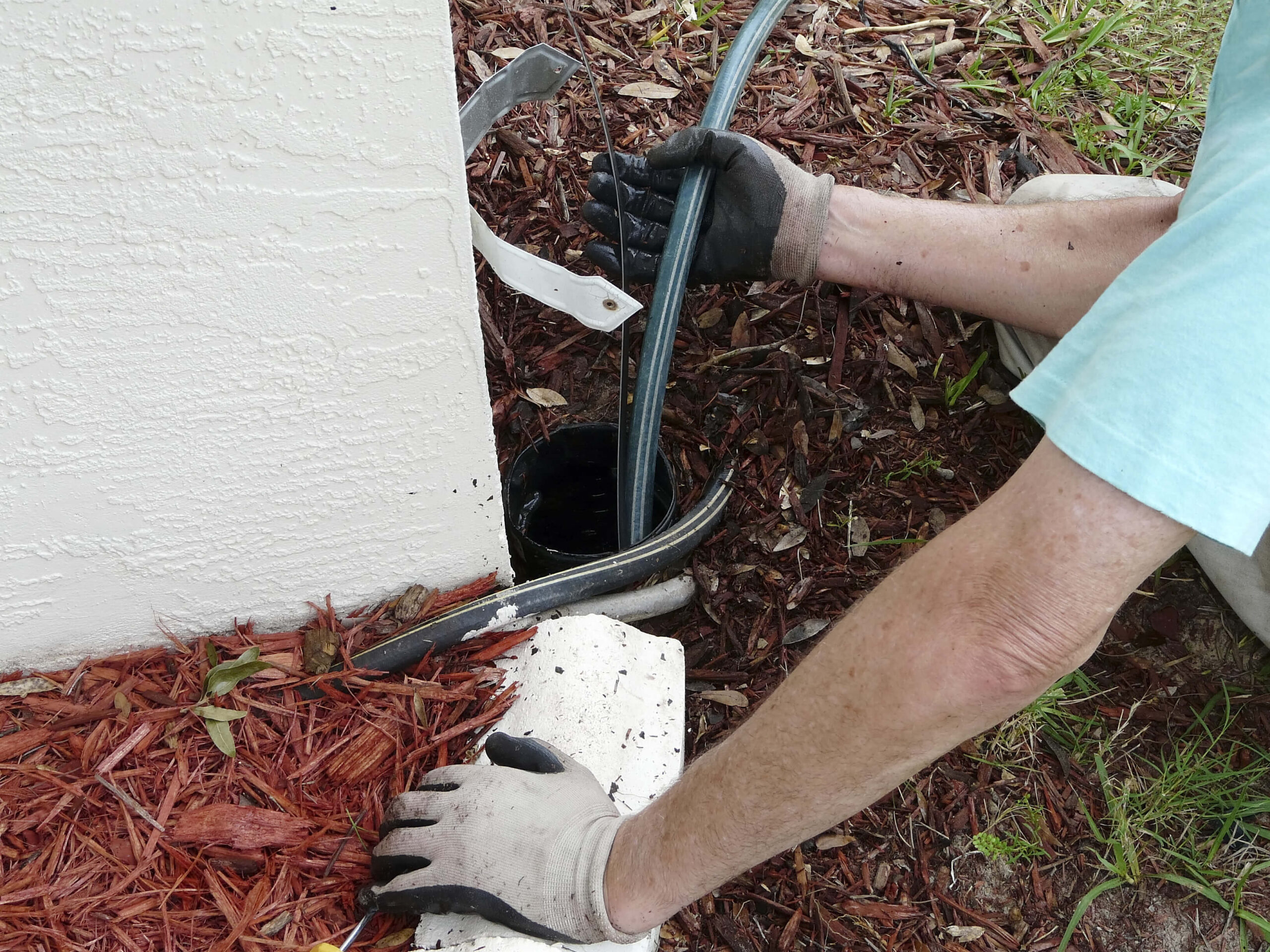
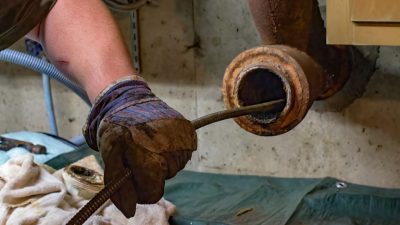
So what is a drain snake, and how does it work? It is a flexible metal cable that can be fed into a pipe. It follows bends, reaches the problem area, and lets you feel what is happening inside. If there is a clog, you will notice resistance. If there is not, the cable moves freely.
The purpose of a snake is not to push everything further down the pipe. It either breaks up a compact blockage or hooks it and pulls it out. Hair, grease, soap residue. The things that commonly build up in bathroom and shower drains. That is exactly what a drain snake is designed for.
It is important to understand one thing. A snake does not clean the entire system or make pipes new again. It solves a specific problem in a specific place.
Types of Drain Snakes
One tricky thing about drain snakes is that they all look similar at first glance. This often creates the impression that there is no real difference between them. In practice, the difference matters. Some are meant for light household clogs, others for more demanding situations.
Manual (Handheld) Drain Snakes
A handheld drain snake is the most common choice for home use. It is compact, lightweight, and does not require advanced skills. This type of tool works well for sinks, bathtubs, and shower drains where clogs usually form close to the drain opening.
Most of the time, these clogs consist of hair, soap residue, and small organic buildup. A manual snake allows you to reach the blockage gently and remove it without applying excessive force to the pipes. It is a practical option for everyday household situations.
Drum and Power Drain Snakes
More robust snakes are designed for deeper and tougher clogs. They often come in a drum, have greater length, and are intended for use further down the drain line.
Using this type of drain snake requires extra care. These tools apply more force to the inside of the pipe and are not suitable for every plumbing system. They are typically used when the clog is deeper and does not respond to basic methods.
When Should You Use a Drain Snake?
A drain snake is not needed every time water drains a bit slower than usual. It is useful when the problem is no longer superficial but has not yet turned into a serious plumbing issue. It sits between “trying to fix it yourself” and “calling a plumber.”
Experts usually recommend using a drain snake when:
- A plunger helps, but only temporarily, and the clog returns quickly;
- Water drains slowly with gurgling or unusual sounds;
- The clog feels deeper than the drain opening and does not respond to flushing;
- The issue is limited to one fixture rather than the entire system.
In these cases, a drain snake can genuinely solve the problem. It allows you to reach a compact blockage and remove it mechanically instead of relying on water pressure or chemicals.
There are also situations where a snake is not the best option:
- Water backs up in multiple fixtures
- Odours become stronger
- The drain barely responds at all, which may indicate a deeper issue
In such cases, using a snake can sometimes push the blockage further down the line, making the situation harder to resolve later.
That is why a drain snake is a tool for specific scenarios. It works well when used at the right time and for the right problem.
How to Use a Drain Snake Safely
A drain snake is not a tool of force, and using it is not a test of strength. Most pipe damage happens not because of the tool itself, but because of rushing and applying too much pressure.
The goal is simple. Reach the clog, break it up or hook it, and then remove the snake without surprises.
Preparing the Area and the Drain
Before using a drain snake, it is important to understand what type of plumbing you are dealing with. Different pipes react differently to mechanical stress. Older metal pipes, plastic systems, and flexible connections all behave in their own way.
Make sure you have proper access to the drain and enough working space. Clear the area, protect nearby surfaces, and choose the correct entry point. These basic steps help avoid unnecessary mess and damage before the work even begins.
Feeding and Retrieving the Snake
The process is often called “feeding the snake,” and the term fits. The cable should not be forced. It is fed gradually, allowing it to find its way through the pipe.
When the snake meets resistance, it usually means the clog is being broken apart or hooked. After that, the cable should be withdrawn just as carefully.
Common Mistakes to Avoid When Using a Drain Snake
Having the right tool is only part of the job. How it is used matters even more. Drain snakes are no exception. There are several common mistakes that turn a helpful attempt into a bigger problem.
One of the most frequent issues is using excessive force. When the snake does not move forward, many people push harder. This can damage pipe walls or push the clog deeper. This is especially risky with older plumbing and plastic systems.
Another mistake involves choosing the wrong entry point. Using a snake in a sink or bathtub without understanding where the cable is going can result in snagging connections or bends instead of the clog itself. These issues may not be visible right away but can cause problems later.
It is also common to forget about cleaning the tool. A snake covered with debris can carry organic material deeper into the system during the next use. This does not solve the problem, it only delays it.
The takeaway is simple. A drain snake works best when used carefully and for its intended purpose. When it becomes a tool of force, the plumbing usually responds in kind.
When a Drain Snake Isn’t Enough
Sometimes a snake is used exactly as instructed, yet the result is minimal or temporary. This is a common and normal situation. Not every clog can be solved mechanically on the first attempt.
Most often, a snake fails when the problem is too deep in the system. The blockage may be located further down the line, beyond several bends, where a household tool simply cannot reach. In such cases, a snake used for a bathtub or shower drain runs into limits of length and flexibility.
Another sign is the quick return of symptoms. Water drains better for a day or two, then slows again. This usually means only the surface layer was removed, while the main buildup remains. Dense grease deposits or combined clogs of soap, hair, and minerals often behave this way.
There are also more serious issues. Shifted pipes, damaged sections, incorrect slope. In these cases, a snake cannot solve the problem because the issue is not the clog itself. This is where it is important to stop and avoid forcing a tool that is not meant for the situation.
When to Call a Professional Plumber
Once a snake has done everything it reasonably can, further attempts move into risky territory. Continuing to experiment may not solve the issue and can create new ones. Calling a plumber is a good idea when:
- The clog returns immediately after cleaning;
- Water drains poorly in multiple fixtures;
- Odours, gurgling, or unstable drainage appear;
- The pipes are old or their material is unknown;
- There is uncertainty about where the snake is going.
Professional drain cleaning is safer and more effective in these cases. Not because the problem is “too complicated,” but because it requires different tools and a full understanding of the system, not just one section.
How Pryde Group Can Help with Drain Cleaning
When household tools are no longer enough, the Pryde Group plumbing team steps in.
Professional equipment is used to reach clogs at the required depth and remove them completely, not partially. This reduces the risk of recurring issues and avoids unnecessary mechanical stress on the pipes.
Special attention is given to system safety. The cleaning method is chosen based on pipe type, home age, and overall drainage condition. After the clog is cleared, the technician evaluates the system as a whole and explains what can be done to prevent similar problems in the future.
Pryde Group works as a local team. Specialists understand common issues in houses and condos and know when a drain snake is appropriate and when other solutions are the better choice.
If your drainage system starts signalling that it needs attention, it is best to address it early and calmly, without complications or surprises.