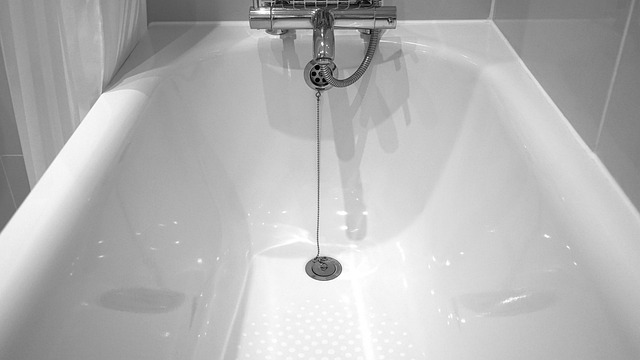
There’s nothing like taking a hot bath after a hard day at work. Even on your way home, you imagine running the bath, getting in, and forgetting all your problems for at least half an hour. And now you’re home, the tub is ready, your plans for the evening are crystal clear—but you discover an annoying little problem: the stopper is missing, cracked, or no longer holds the water. There’s nowhere to buy a new one right now because it’s late in the evening. Do you really have to put off your relaxation until tomorrow?
Not necessarily. You can temporarily block the drain using a few simple methods. Below, we’ll go over how to plug a bathtub drain if you don’t have a stopper, which items work best for this, and what you definitely shouldn’t do. However, any such solution is only temporary: you’ll still need to buy a new stopper, and if the mechanism or the drain assembly itself is faulty, you’ll need to replace it (or, ideally, call a plumber).
Why You May Need to Block a Bathtub Drain Without a Plug
Before looking for a makeshift plug, it’s important to understand exactly what’s preventing the drain from closing. You can temporarily block a bathtub drain without a plug from above if the other parts are in good working order. But this method won’t help if water is draining due to a loose fit in the built-in mechanism or damage to the connections under the tub.
The opposite situation also requires attention. If the water drains slowly even when the drain is fully open, the likely cause is a clog in the bathtub drain. You shouldn’t cover it from above and fill the tub to the brim: after bathing, the water will take too long to drain, and if the clog is severe, the water may rise to the overflow.
Missing or Lost Drain Stopper
It’s easy to remove a removable drain plug while cleaning the tub and forget where you put it. It might fall behind the vanity, end up among cleaning supplies, or accidentally get thrown away. In a rental home, it’s sometimes missing from the start, even though the drain opening and pipes are in good working order.
In this case, replacing the bathtub drain plug does not require any plumbing work. You’ll need to measure the diameter of the drain opening and select a removable plug that fully covers it and fits snugly around the edges. Until you purchase a replacement, you can use a safe temporary plug.
Broken or worn-out drain plug
Wear and tear isn’t always noticeable at first glance. A rubber stopper can harden, warp at the edges, or develop small cracks. A built-in metal stopper sometimes drops in crooked or doesn’t reach its lowest position. As a result, the tub won’t hold water, even though the drain is technically closed.
If even a small gap remains between the stopper and the surface, water will gradually seep into the drainpipe. Removing soap scum only helps if the part itself is intact. A deformed bathtub drain seal will no longer provide a tight seal, so it will need to be replaced.
Temporary Solution While Waiting for Repairs
For built-in mechanisms, a replacement part isn’t always available at the nearest hardware store. Sometimes you first need to identify the model of the drain assembly, find a compatible part, or wait for a plumber to visit. During this time, a temporary bathtub drain plug will allow you to fill the tub without disassembling the unit.
A suitable emergency bathtub drain plug should rest on top of the drain opening and be held in place by the weight of the water. It should not be inserted deep into the pipe, secured with glue, or assembled from small parts. After use, the plug should come out in one smooth motion, leaving no debris inside the drain.
Simple Ways to Block the Bathtub Drain Without a Plug
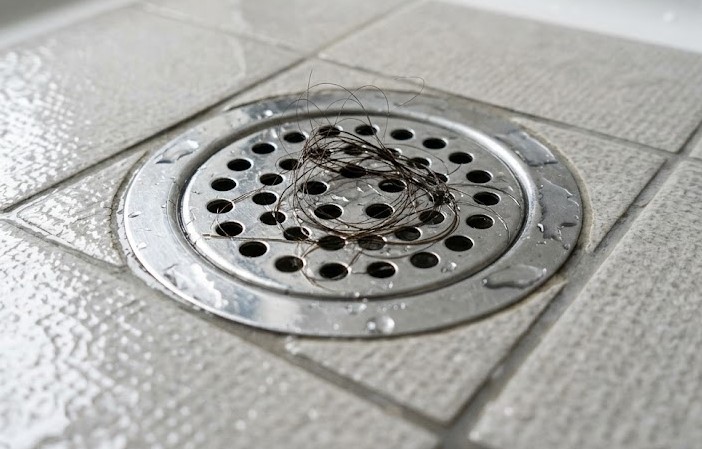
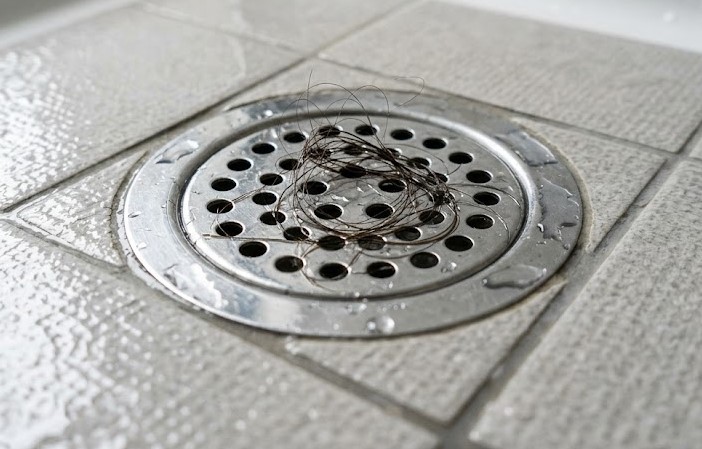
For a temporary plug, you’ll need an object that completely covers the drain opening and fits snugly against the surface of the bathtub. The fewer gaps there are around the edges, the slower the water will drain. Before placing the stopper, remove any hair and soap scum around the drain: even a thin layer of grime can prevent a proper seal.
Using a plastic bag filled with water
The most affordable option can be made from a sturdy plastic bag. Pour a little water into it, squeeze out the excess air, and tie it securely. Place the resulting soft bag directly over the drain so that it completely covers the grate. Under its own weight, the bag will conform to the surface and seal any gaps.
This homemade bathtub stopper works best if you use two bags nested one inside the other. This reduces the risk of leakage and prevents water from entering the drain along with pieces of torn plastic. There’s no need to fill the bag to the brim: a bag that’s too tight won’t fit snugly against the surface.
Essentially, this is the simplest DIY bathtub drain stopper. As the water begins to fill the tub, its pressure will press the bag even more firmly against the drain opening. However, before filling the entire tub, it’s a good idea to test it with a small amount of water to make sure the bag doesn’t shift.
Using a Silicone Cover or a Flat Rubber Object
A flexible container lid, a silicone mat, or a flat rubber disc can fit more snugly over the drain than a bag. The material stretches slightly, conforms to the shape of the bottom, and creates a sufficiently wide contact area. It’s best to choose an object that’s noticeably larger than the drain opening itself.
This alternative to a bathtub drain plug is especially convenient for a smooth metal drain without a protruding grate. Place the cover with the smooth side down and press it lightly until a layer of water forms on top. After that, it usually stays in place without needing to be held.
Among DIY ideas for a bathtub drain stopper, a silicone cover is considered one of the most practical, as it won’t scratch the surface and is easy to remove. Avoid using rubber that is cracked, has a sticky surface, or shows signs of deterioration: small particles may get stuck in the drain.

Using a cup or small container
An upside-down cup can work if its rim completely surrounds the drain and rests firmly against the flat bottom of the tub. Once in place, press down lightly to force the air out from under the rim. The water outside will then press the cup against the surface.
This method works for plugging a bathtub drain only if the shape and size match perfectly. A rigid cup does not conform to the curves of the bottom, so even a slight misalignment will leave a gap. It’s better to use a plastic object with a wide, smooth rim, and avoid placing glassware in the bathtub.
If you need to figure out how to stop the drain in the bathtub using a container, start by testing it with a few centimeters of water. If the water level drops quickly or the container slides off, don’t try to hold it in place with heavy objects. In that case, it’s safer to switch to a bag of water or a flexible silicone cover.
Which DIY solutions work best?
Of the three methods described, a water-filled bag is usually the most reliable. It’s heavy enough, conforms to the shape of the tub bottom, and can block the drain even if there’s a slight unevenness around the opening. It’s convenient to use just once, such as when you need to fill the tub in the evening but won’t be able to replace the stopper until the next day.
A silicone plug or a flat rubber object is easier to use. You don’t need to fill them, tie them off, or check for damage before each use. On a flat bottom, this type of plug holds water quite well, is easy to remove, and can replace the standard plug several times without risking damage to the bathtub’s finish.
A cup or container is less suitable. The rigid rim must fit perfectly against the surface around the drain; otherwise, water will find a gap. You can try this option when nothing else is on hand, but you shouldn’t rely on it when filling the tub completely.
When choosing a temporary solution, it’s helpful to keep three simple criteria in mind:
- The stopper completely covers the drain opening;
- It doesn’t shift once the water starts flowing;
- The object can be removed entirely, leaving nothing inside the pipe.
But even a well-made homemade stopper is only meant for short-term use. You shouldn’t leave it in a full bathtub unattended, especially if water is seeping out slowly or the plug is unstable. For regular use, it’s better to find a suitable plug or repair the built-in drain mechanism.
Common Mistakes to Avoid
A homemade stopper should remain outside the drain opening and be easy to remove after use. Trying to push it in deeper or make it tighter at any cost could result not just in water loss, but in damage to the plumbing fixtures. All plumbing tips for the bathtub boil down to a simple principle: a temporary solution shouldn’t create a new problem.
Here’s what you definitely shouldn’t do:
- Shove rags, sponges, paper, or other objects down the drain. They can get stuck in the trap, collect hair and soap scum, and then the water will drain even worse;
- Use materials that get soggy, crumble, or fall apart. Cardboard, paper napkins, foam, and soft plastic can disintegrate right in the tub, and their pieces will go down the drain;
- Block the overflow drain. It drains water if the level gets too high, so you shouldn’t cover it to improve the seal;
- Press down on the plug with a knife, screwdriver, metal lid, or other hard object. Sharp edges can scratch the acrylic or enamel surface, and excessive pressure can damage the drain grate.
You should also avoid securing a temporary plug with sealant, tape, or quick-drying glue. Residue from the adhesive is difficult to remove from a wet surface, and if removed improperly, you may damage the finish or displace parts of the drain assembly.
Safe solutions for bathroom drains do not require force, disassembly, or securing the stopper inside the pipe. If an object does not stay in place due to its own shape and water pressure, it’s better to replace it with another option rather than trying to secure it at any cost.
When a Temporary Fix Isn’t Enough
A homemade plug only works if the drain assembly is in good working order. If water is still draining, the problem isn’t just a missing plug—you’ll most likely need to have the bathroom drain repaired. But before you call a plumber, check for a few things:
- The mechanism is sticking or won’t close;
- Corrosion has appeared around the drain;
- Water is visible under the tub;
- The grate, seals, or connections are damaged.
In this situation, you need professional repair of the bathroom drain. Water under the tub is especially dangerous: it gradually damages the floor and finishes.
How Pryde Group Can Help with Bathroom Drain Problems
If water is leaking even through a closed and functional drain, the problem lies within the drain assembly itself. Attempting to disassemble it on your own is risky. A mistake while removing parts can worsen the leak and damage the connections.
Pryde Group specialists perform the following:
- Inspection of the drain assembly and overflow;
- Replacement or repair of the stopper;
- Locating the source of the leak;
- Replacing seals and damaged parts;
- Other plumbing work in the bathroom.
A technician will determine the cause of the malfunction and recommend repairs without unnecessarily replacing parts that are still in good working order.
Tips for keeping your bathtub drain in good condition
Regular maintenance of the bathtub drain helps extend the service life of the stopper, gaskets, and drain mechanism. It’s enough to periodically remove hair and buildup, check that the drain closes tightly, and avoid forcing stuck parts.
Another simple tip for bath plumbing is to replace cracked seals promptly. If the water starts draining faster, the mechanism works intermittently, or moisture appears under the tub, it’s best not to wait for a serious leak to occur and to schedule an inspection of the drain assembly.